How to import a used excavator to the Philippines?
Importing a used excavator to the Philippines involves sourcing a reliable machine from China, arranging pre-shipment inspection, handling export documentation, and choosing the right shipping method. ExcaYard, a China used excavator export specialist based in Hefei, Anhui, sources, inspects, and ships pre-owned machines worldwide, including the Philippines. This guide outlines the key steps, costs, and timelines so you can plan your purchase with confidence.
1. Choose the Right Used Excavator for Your Project
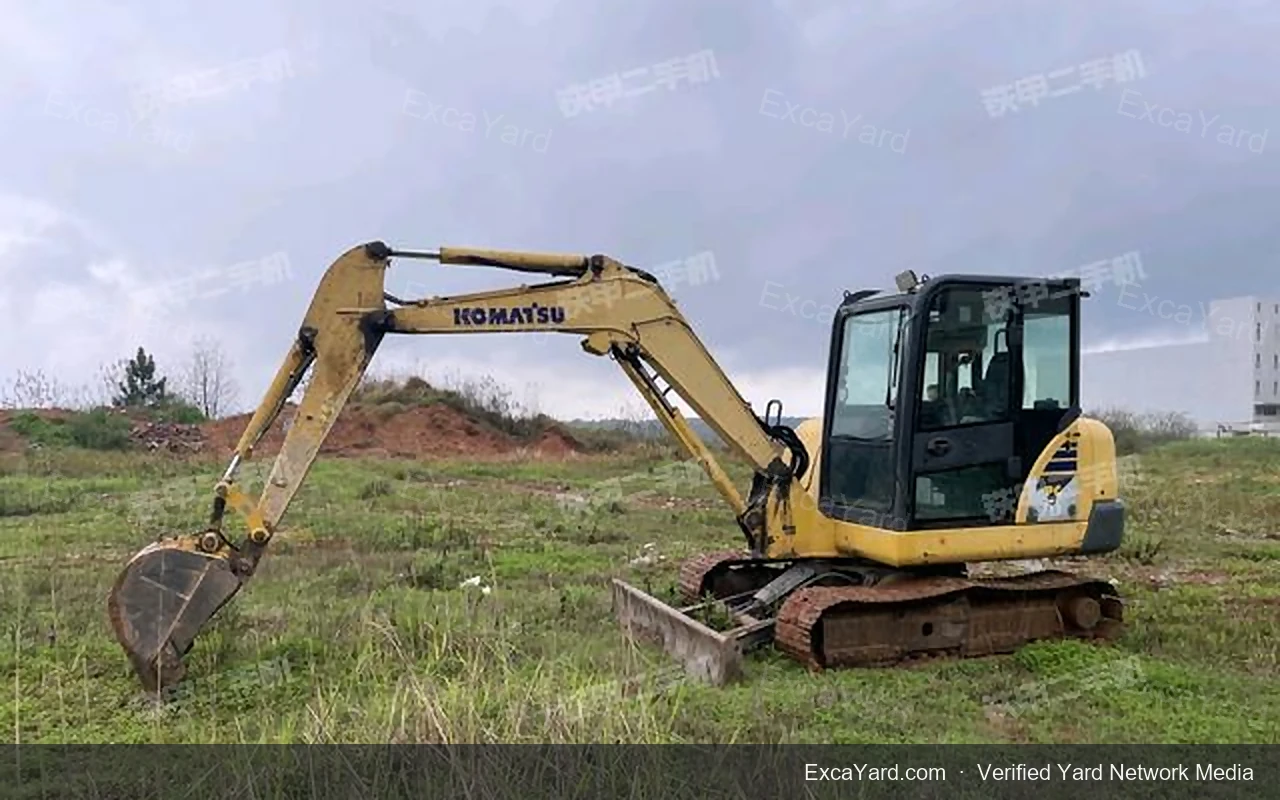
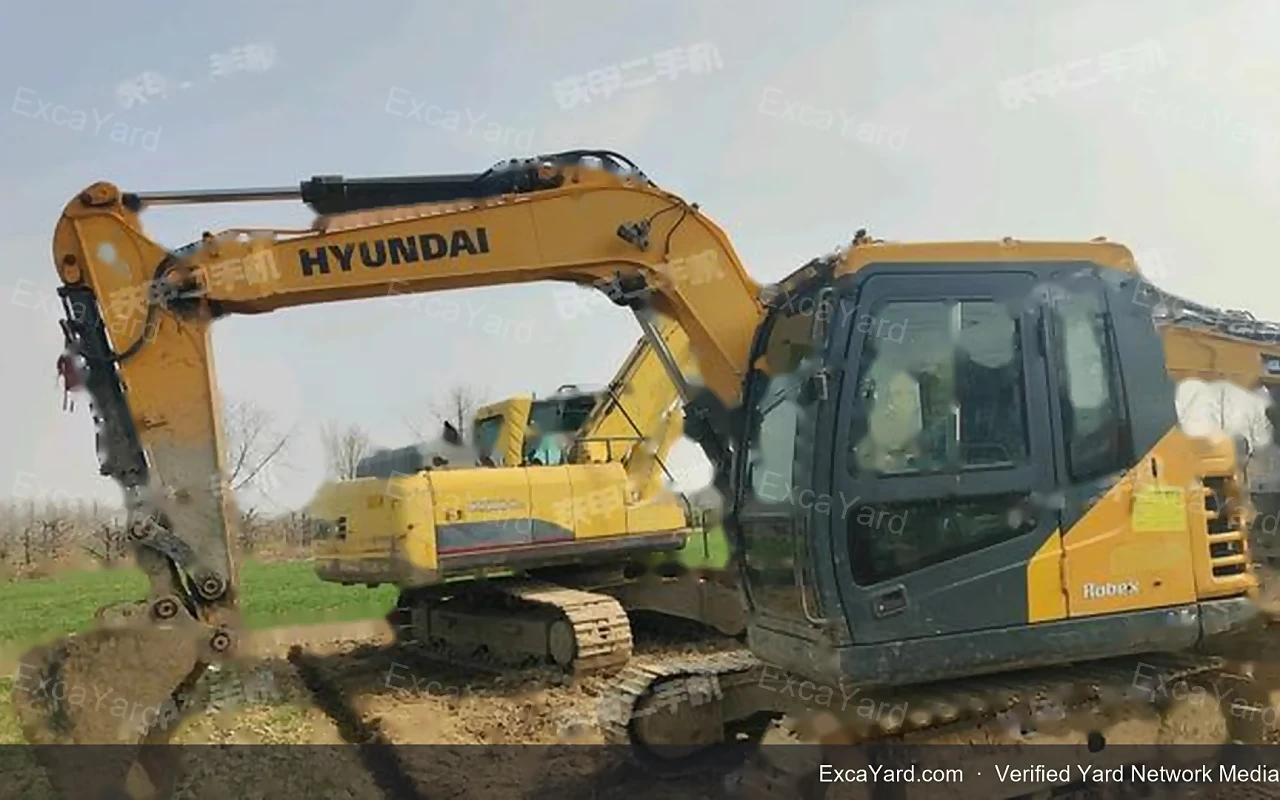
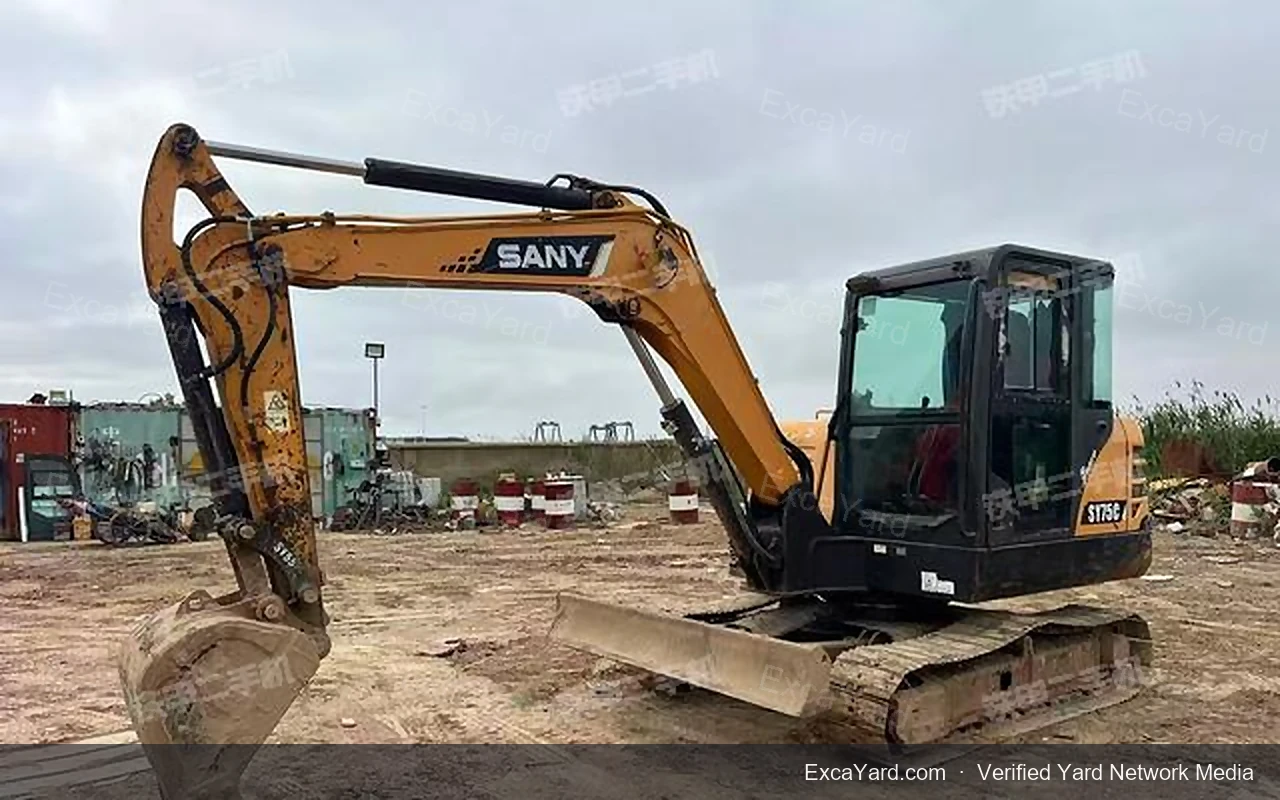
ExcaYard supplies pre-owned Caterpillar, Komatsu, Hitachi, Volvo, Doosan, Hyundai, Kobelco, Sany, XCMG, SDLG, LiuGong, and Sunward machines. For Philippine construction, common choices include 20-ton class excavators for general earthmoving and larger 30-ton units for heavy infrastructure. Consider your typical job: tight urban sites may favour compact models, while quarry or road projects need higher breakout force and durability. ExcaYard's inventory is sourced from reputable fleets and inspected before shipment. You can browse available units at excayard.com/machines.
2. Condition and the 150-Point Inspection
Every used excavator from ExcaYard undergoes a 150-point pre-shipment inspection. This covers the engine, hydraulics, undercarriage, electrical system, and structural components. The inspection includes hours verification and paint-thickness checks to detect hidden repairs or repainting. You receive photos and video documentation, so you can assess the machine's condition remotely. For specific checks, see undercarriage inspection and hydraulic system inspection. This transparency reduces the risk of unexpected downtime after arrival.
3. Documentation and Certifications for the Philippines
Exporting to the Philippines requires standard shipping documents: commercial invoice, packing list, bill of lading, and certificate of origin. ExcaYard handles these documents as part of the export process. While the Philippines does not mandate SONCAP, SABER, PVoC, or GSA for used excavators, ExcaYard can arrange these certifications for other destinations if needed. For the Philippines, ensure your import documents comply with Bureau of Customs requirements. ExcaYard's team can guide you on the necessary paperwork to avoid delays.
4. Payment Terms: T/T or L/C
ExcaYard accepts payment via T/T USD wire, L/C through Bank of China, and Wise. T/T is common for smaller transactions, while L/C offers security for larger orders. Payment terms are typically 30% deposit upon order confirmation, with the balance before shipment. All payment details are confirmed in the proforma invoice. Work with your bank to ensure smooth transfer and avoid currency conversion issues.
5. Shipping Methods and Lead Time
ExcaYard offers FOB or CIF terms. Shipping methods include RoRo (roll-on/roll-off), container, and flat-rack. RoRo is often cost-effective for larger excavators, while container shipping suits smaller units. Flat-rack is used for machines that fit within dimensions but need open-top stowage. Default ports of loading are Shanghai, Ningbo, Qingdao, and Tianjin. Typical CIF lead time is 28-45 days port-to-port. The table below summarises shipping factors.
| Factor | Options / Details | Indicative Range / Notes |
|---|---|---|
| Shipping method | RoRo, container, flat-rack | RoRo typically for 20-30 ton; container for compact |
| Port of loading | Shanghai, Ningbo, Qingdao, Tianjin | Choice depends on machine location and schedule |
| Lead time (CIF) | 28-45 days port-to-port | Indicative; weather and customs may affect |
| Payment terms | T/T, L/C, Wise | Typically 30% deposit, balance before shipment |
| Documentation | Invoice, packing list, B/L, certificate of origin | Provided by ExcaYard |
6. Import Duties and Customs Clearance in the Philippines
Upon arrival, you will need to clear customs. The Philippines imposes import duties and taxes on used machinery. The tariff rate depends on the HS code and the machine's value. Typically, you should budget for customs duty, value-added tax (VAT), and other charges. A customs broker can facilitate clearance. Ensure your documents are complete: bill of lading, commercial invoice, packing list, and certificate of origin. ExcaYard provides these to support your clearance process. For specific duty rates, consult a local customs broker or the Philippine Bureau of Customs.
7. After-Sales Support and Spare Parts
ExcaYard focuses on export, but can advise on spare parts availability. Used excavators from major brands have good parts networks in the Philippines. Before shipment, confirm the machine's serial number and model to source parts locally. Regular maintenance and genuine parts extend machine life. ExcaYard's inspection report helps you plan initial servicing. For any post-sale questions, contact ExcaYard via WhatsApp or email.
Frequently asked questions
What is the typical lead time for shipping a used excavator to the Philippines?
Typical CIF lead time is 28-45 days port-to-port from Chinese ports to Manila or other Philippine ports. This is indicative and can vary with shipping schedules and customs.
Do I need special certifications like SONCAP or SABER for the Philippines?
No, the Philippines does not require SONCAP, SABER, PVoC, or GSA for used excavators. ExcaYard provides standard export documents: commercial invoice, packing list, bill of lading, and certificate of origin.
How can I verify the condition of a used excavator before purchase?
ExcaYard performs a 150-point pre-shipment inspection with photos and video, including hours verification and paint-thickness checks. You can review these materials before committing to purchase.
Ready to import a used excavator to the Philippines? Contact ExcaYard on WhatsApp at +86 193 9277 7259 for a personalised quote and inspection details.