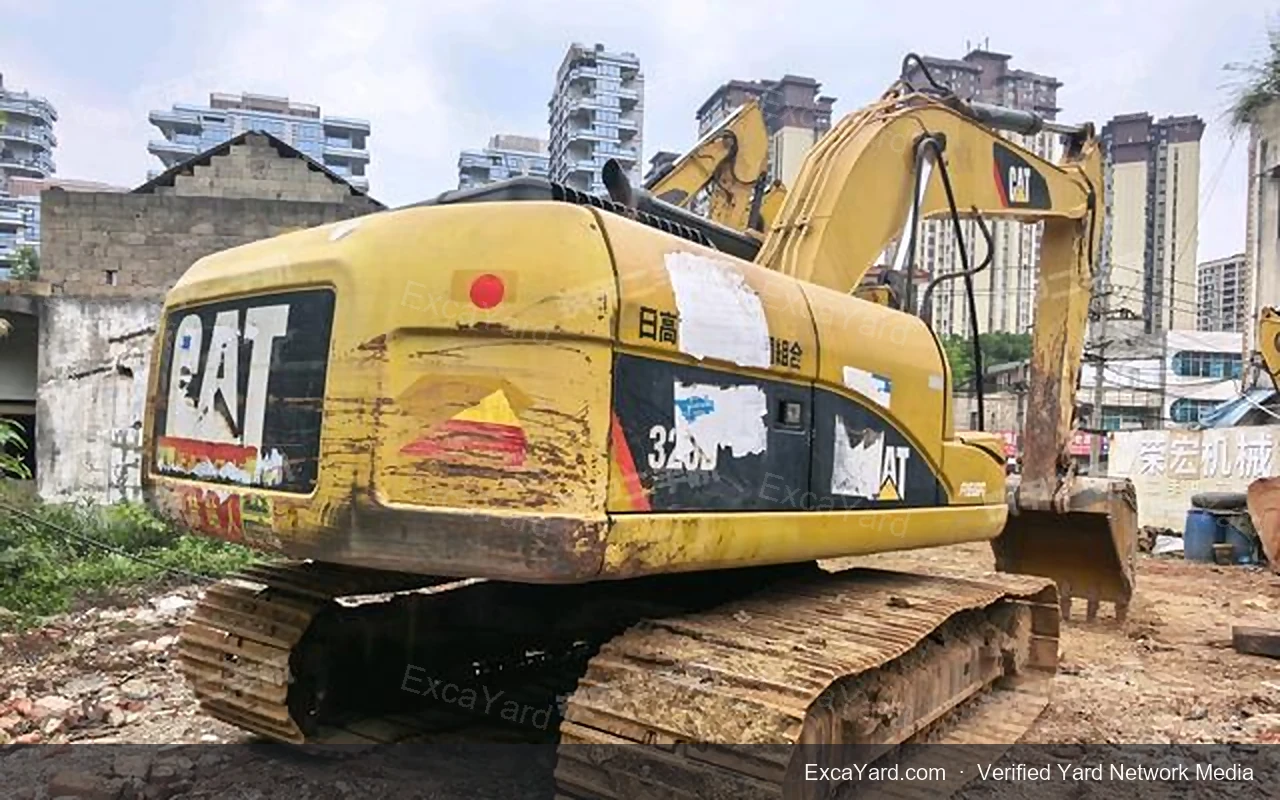
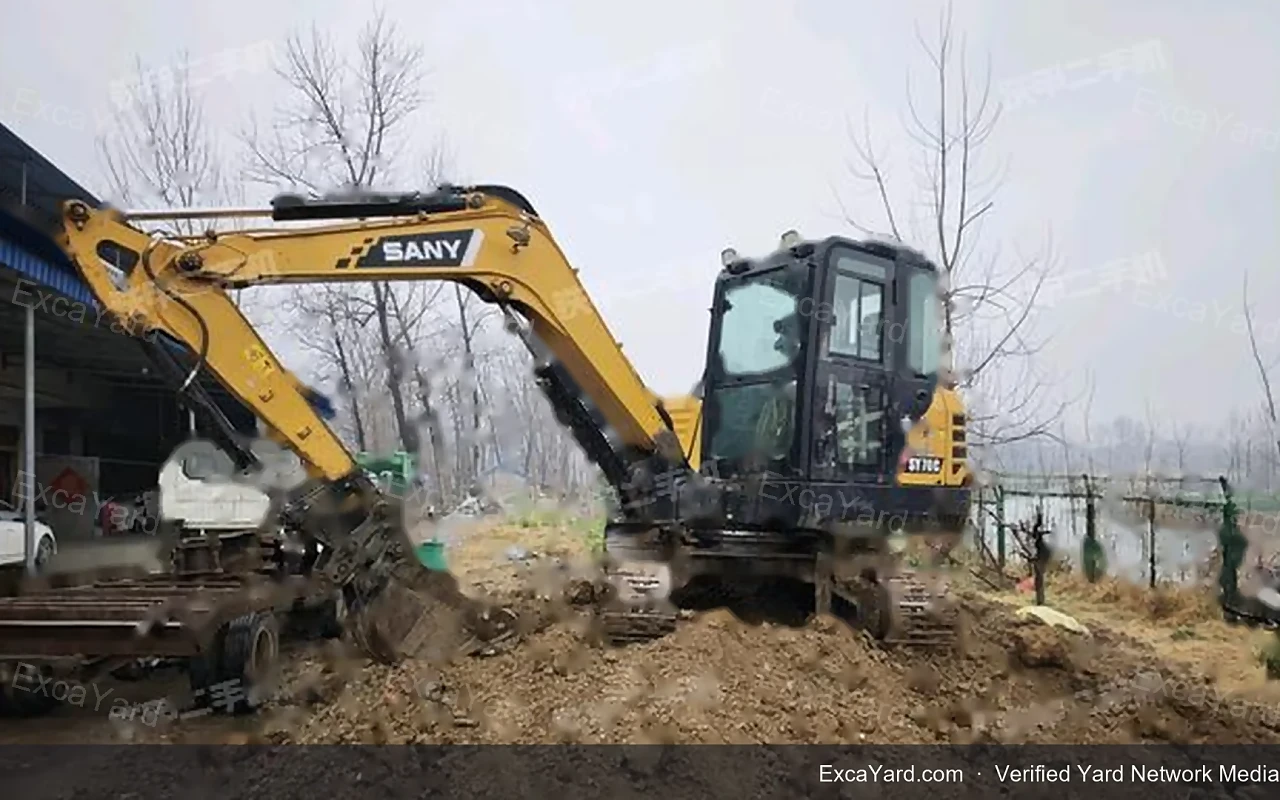
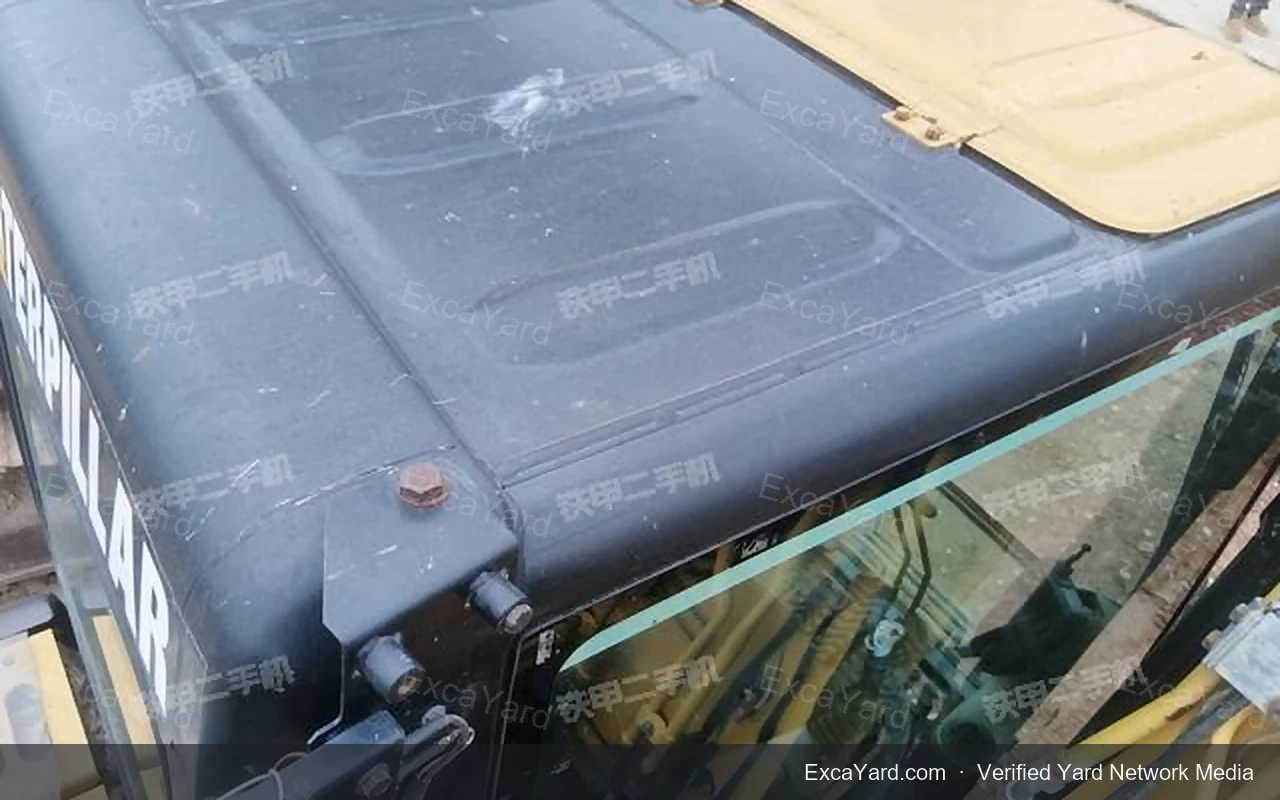
What is included in your 150-point inspection?
ExcaYard's 150-point inspection is a comprehensive pre-shipment evaluation that covers every major system of a used excavator—engine, hydraulics, undercarriage, electronics, structure, and safety features. It includes hours verification, paint-thickness checks, and photographic/video documentation. This guide explains exactly what is inspected, why it matters, and how the results are shared with you before shipping.
Why a 150-Point Inspection Matters
Buying a used excavator from overseas carries inherent risks: hidden mechanical issues, rolled-back hour meters, or undisclosed structural repairs. ExcaYard's 150-point inspection is designed to eliminate those surprises. Every machine sourced from our network in China undergoes a rigorous, multi-stage evaluation before it is listed or shipped. The inspection is not a quick visual once-over; it is a systematic check performed by experienced technicians using calibrated tools. The resulting report, complete with photos and video, gives you a transparent view of the machine's true condition—so you can make an informed decision.
What the 150 Points Cover
The inspection is divided into key categories, each with specific checkpoints. Below is a summary of the major areas and examples of what is examined.
- Engine & Cooling System: Oil condition and level, coolant, belts, hoses, turbocharger play, exhaust color, cold-start behavior, and any leaks.
- Hydraulics: Pump pressure, cylinder rod condition, hose integrity, control valve response, swing and travel motor performance, and hydraulic oil quality.
- Undercarriage: Track shoe wear, link height, sprocket and idler wear, roller condition, track tension, and chain stretch.
- Electrical & Electronics: Battery health, alternator output, starter operation, wiring harness, sensors, monitor panel functions, and error codes.
- Structure & Cab: Boom and arm cracks, weld integrity, pin and bushing play, cab mounts, sheet metal, glass, and operator seat.
- Safety & Attachments: Backup alarm, lights, mirrors, seat belt, lockout controls, and quick-coupler or bucket condition.
- Documentation & Verification: Hour meter reading vs. ECU data, service records where available, and paint-thickness measurements to detect repainting or body filler.
Hours Verification and Paint-Thickness Checks
Two of the most critical checks are hours verification and paint-thickness measurement. Hour meters can be tampered with, so ExcaYard cross-references the displayed hours with ECU data, service history, and wear patterns on components like the undercarriage and pins. Paint thickness is measured with a digital gauge at multiple points on the body and boom. Abnormally thick readings can indicate hidden repairs or cosmetic masking. These checks are documented in the report, giving you a clear picture of the machine's usage and history.
How the Inspection Report Is Delivered
After the inspection, you receive a detailed report that includes:
- Pass/fail status for each of the 150 points.
- Photographs of key components, including any defects or wear areas.
- Video walkaround and operational demonstration (engine start, hydraulic functions, travel).
- Technician notes and recommendations.
The report is shared via email or a cloud link, and you can discuss findings with our team before committing to shipping. This transparency is part of our standard process—no machine leaves our yard without a completed inspection.
Inspection and Export Documentation
Beyond the mechanical inspection, ExcaYard handles all necessary export certifications based on your destination country. These include SONCAP for Nigeria, SABER for Saudi Arabia, PVoC for Kenya, Tanzania, and Ghana, GSA for Ghana, and KEBS for Kenya. We also prepare a commercial invoice, packing list, bill of lading, and certificate of origin. The inspection report is separate from these documents but complements them—ensuring the machine meets both your expectations and regulatory requirements.
Payment, Shipping, and Lead Times
We accept payment via T/T USD wire, L/C through Bank of China, or Wise. Shipping can be arranged FOB or CIF, using RoRo, container, or flat-rack, with default ports in Shanghai, Ningbo, Qingdao, and Tianjin. Typical CIF lead time is 28–45 days port-to-port. The inspection is completed before shipment, so any issues can be addressed upfront.
| Inspection Category | Key Checkpoints | Tools/Methods |
|---|---|---|
| Engine & Cooling | Oil, coolant, belts, turbo, leaks | Visual, pressure test, oil analysis |
| Hydraulics | Pump pressure, cylinders, hoses, motors | Pressure gauge, visual, cycle test |
| Undercarriage | Track, sprocket, idler, roller wear | Measurements, visual |
| Electrical | Battery, alternator, sensors, monitor | Multimeter, diagnostic scan |
| Structure & Cab | Cracks, welds, pins, glass, seat | Visual, paint thickness gauge |
| Documentation | Hours verification, service records | ECU data, cross-reference |
Frequently asked questions
How long does the 150-point inspection take?
Typically 1–2 business days, depending on machine size and accessibility. The report is then compiled and shared with you.
Can I request additional inspection points?
Yes, we can accommodate specific requests for an additional fee. Contact us to discuss your needs.
What if the inspection reveals a major issue?
We will inform you immediately and either repair the issue, adjust the price, or source an alternative machine—your choice.
Ready to find a machine that meets your needs? Browse our available used excavators or read more answers about our export process. For personalized assistance, message us on WhatsApp at +86 193 9277 7259.