20-ton vs 30-ton used excavator — which for my job?
Choose a 20-ton for general construction, trenching, and loading; step up to a 30-ton for mining, quarrying, and heavy earthwork. The 20-ton is the most-traded segment and has the widest parts availability.
Match the class to the work
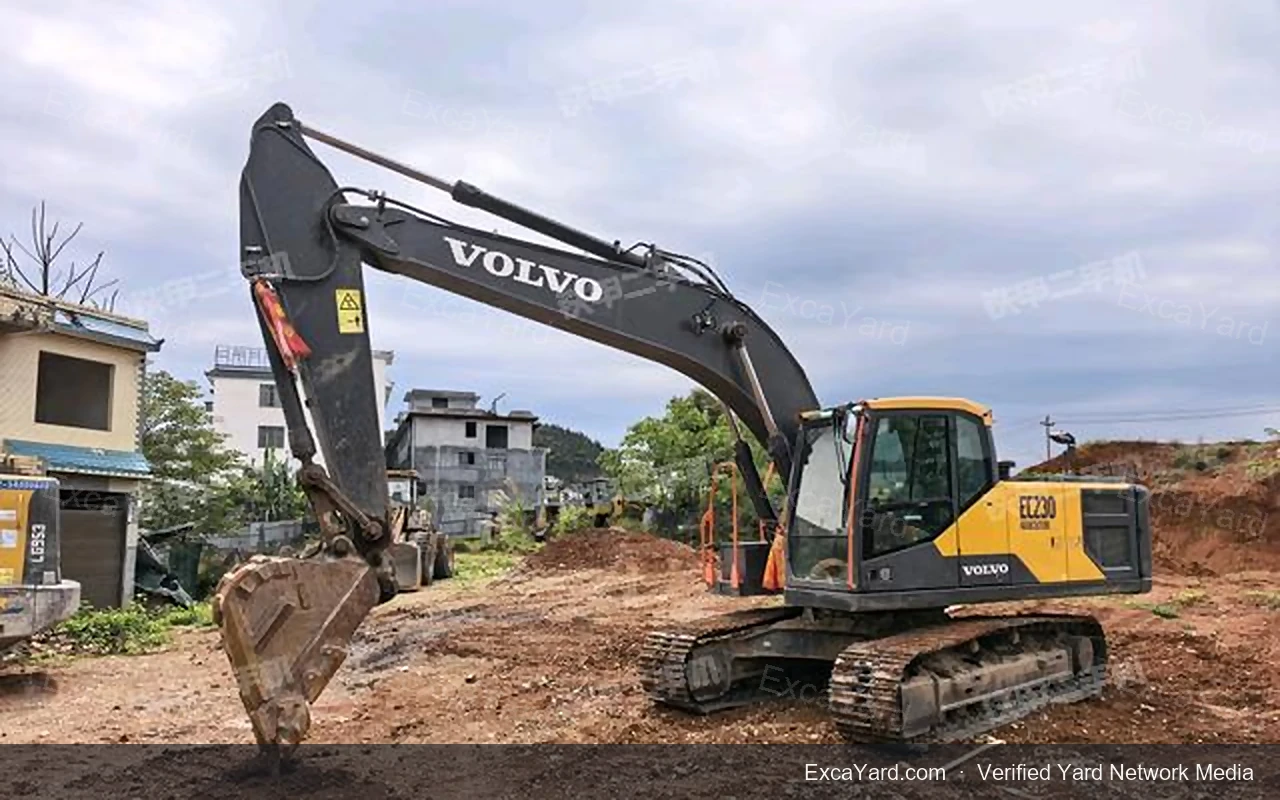
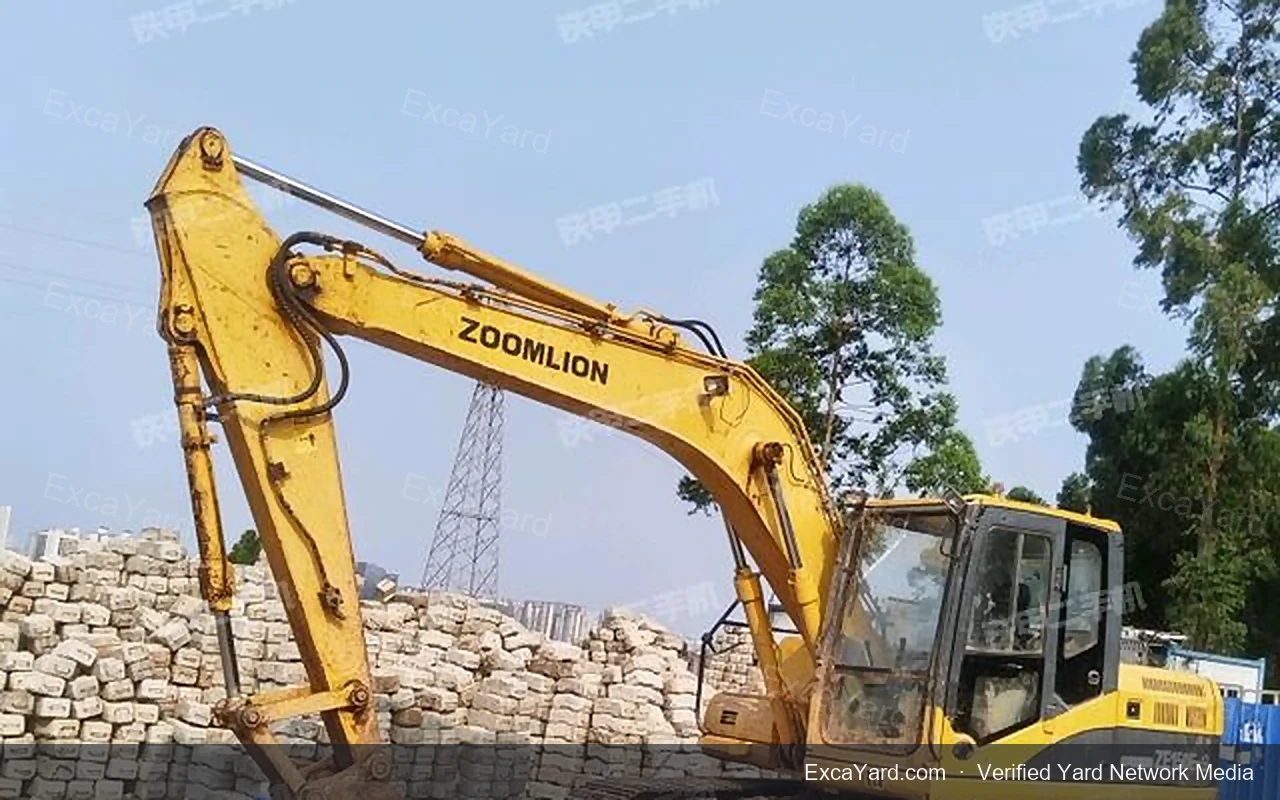
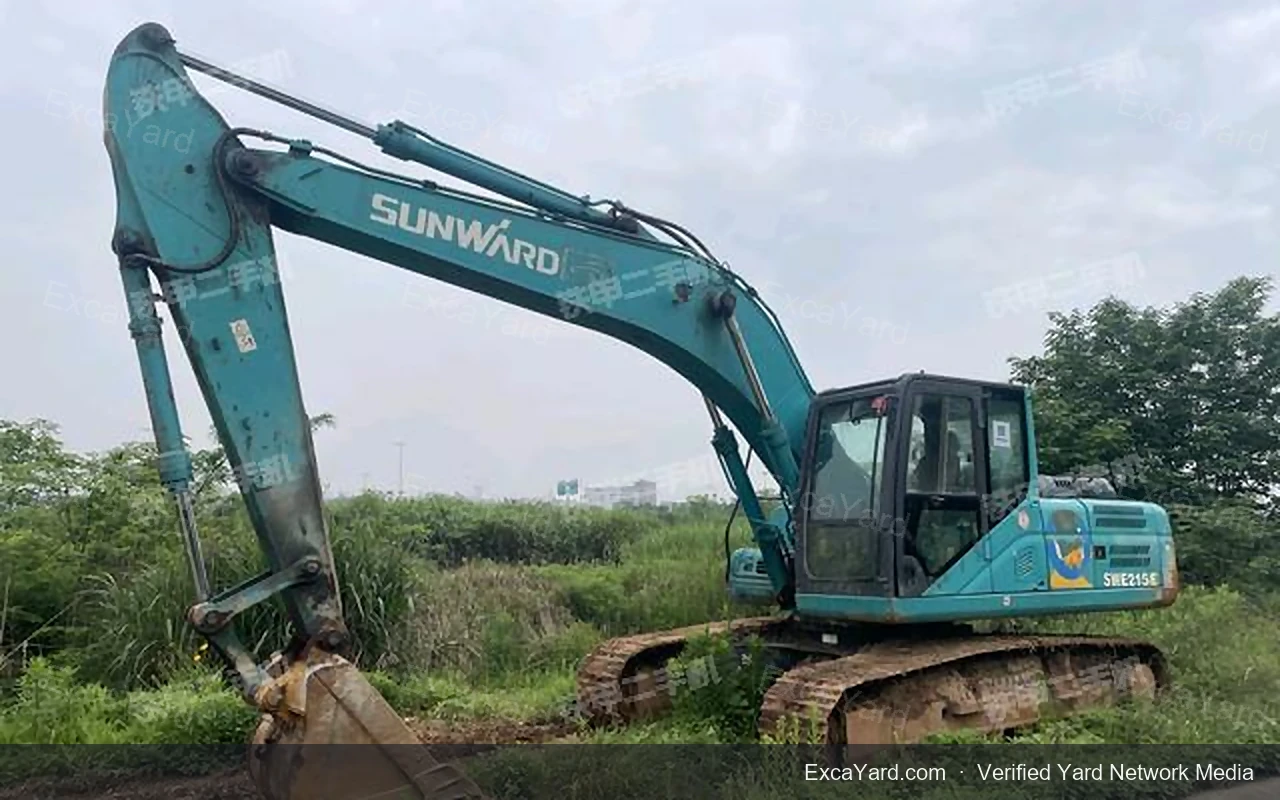
- 20-ton (15–25 t) — general construction, foundations, trenching, loading trucks. The volume segment for Africa, SE Asia, and the Middle East.
- 30-ton (25–35 t) — mining, quarrying, and heavy earthwork where you're moving larger volumes per bucket.
The price step
A 20-ton Cat 320D runs USD 28,000–65,000; a 30-ton Cat 330D / 336D2 runs USD 45,000–95,000. You're also paying more freight and fuel for the heavier machine, so step up only if the workload justifies it.
Our default advice
Most export buyers start with a 20-ton — it's the most liquid class, parts are everywhere, and it resells fast. Go 30-ton when you have a specific heavy duty cycle that a 20-ton can't sustain.
Is a 20-ton enough for mining?
Not for sustained production. A 20-ton handles light mining and stockpiling, but a 30-ton (Cat 330D, Komatsu PC300-8) is built for continuous heavy digging.
What 30-ton models do you stock?
Cat 330D / 336D2, Komatsu PC300-8 / PC360, Doosan DH300 / DX340, and Sany SY305 / SY335.
Does the 30-ton cost more to ship?
Yes — heavier machines cost more in freight and may need RoRo or breakbulk instead of a container.