How do I verify an excavator's operating hours are genuine?
Cross-check the meter against service history, undercarriage wear, and paint condition. Hours rollback is common in the trade — which is exactly why our 150-point check includes hours verification.
Why hours matter
Operating hours are the single biggest driver of a used excavator's price and remaining life. A machine advertised at 3,000 hours can actually be a 9,000-hour unit with a tampered meter — worth thousands less.
How we verify
- Service history — maintenance records, filter dates, and workshop stamps that corroborate the meter.
- Wear correlation — undercarriage wear, pedal and joystick wear, and bucket edge condition should match the claimed hours.
- Paint and panel condition — repaints and replaced panels can hide age; paint-thickness measurement flags it.
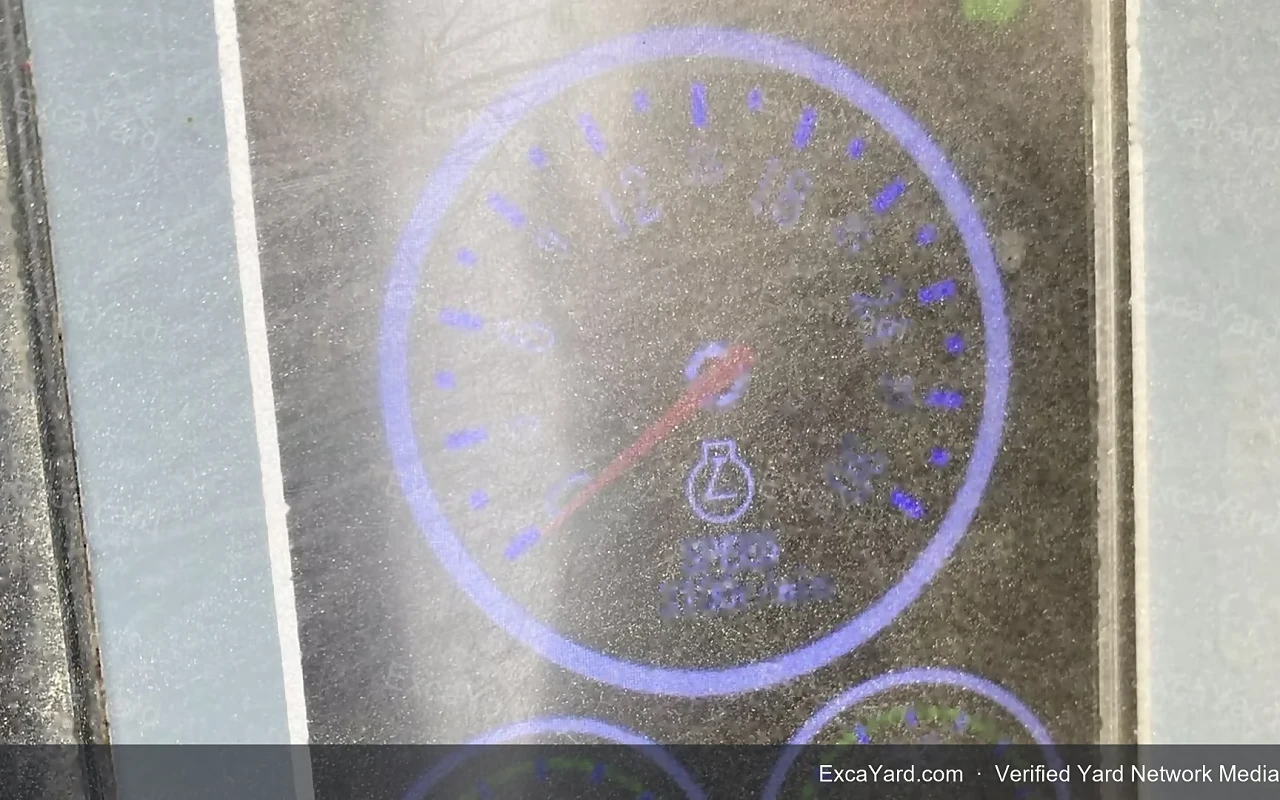
- ECM / hour meter read — where available, we read the engine control module as a second data point.
Any discrepancy is flagged in the report before you commit — if the hours can't be verified, we tell you plainly.
Is hour-meter rollback common?
Yes, it is one of the most common misrepresentations in used construction equipment — which is why verification is a standard part of our inspection.
Can you read the ECM hours?
Where the model supports it, we read the engine control module as a second data point and compare it to the meter.
What if the hours can be verified but are high?
High hours aren't fatal — a well-maintained 8,000-hour machine can be a great buy if priced correctly. We show you the truth and let you decide.