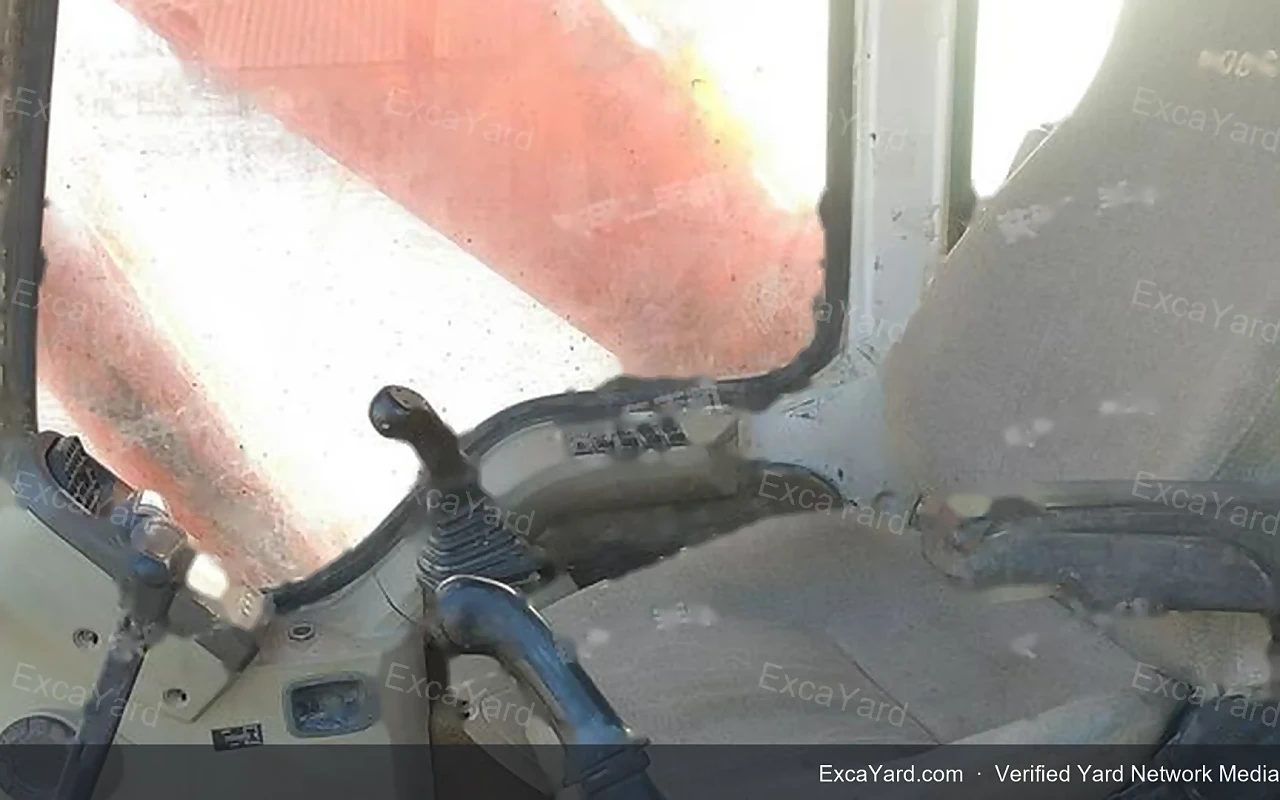
Used Doosan DH225LC7 Excavator: 4,200 Hours on a 2010 Build
Used Doosan DH225LC7 excavator at $13,500: 2010, 4,200 hours, 22.5 t, Grade B. How to judge an old low-hour unit before inspection, deposit and shipping.
A used Doosan DH225LC7 excavator is a 22.5-tonne machine, and this one is listed at $13,500 with 4,200 hours on a 2010 build. Those two numbers are the whole story. The price is low enough to attract a first-time importer, and the hour count is low enough to sound reassuring on a machine that is now about sixteen years old. Neither number should be trusted on its own. A 2010 excavator with 4,200 hours can be a genuinely light-use unit that sat between jobs, or it can be a machine whose meter stopped telling the truth years ago. The difference is settled by inspection, not by the listing.
The listing, field by field
| Field | Listing |
|---|---|
| Model year | 2010 |
| Meter reading | 4,200 hours |
| Operating weight | 22.5 t |
| Bucket capacity | 1.12 m³ |
| Condition grade | B |
| Listed price | $13,500 |
| Yard location | Beijing, China |
| Stock reference | EXY-DOOSDH225LC7-017 |
Nothing in that table is exotic. The DH225LC7 sits in the medium class, the bucket is a general-purpose digging size, and Grade B means the machine is presented as working condition with visible wear. What the table cannot show is which parts are original, which have been replaced, and how the machine spent the years when the meter was not moving.
4,200 hours spread across sixteen years
Divide 4,200 by sixteen and you get roughly 262 hours a year, or about five hours a week. For a commercial excavator, that is a very quiet life.
Low annual hours usually have an innocent explanation. An owner-operator with a single machine and seasonal work. A unit that spent long stretches on standby at a plant or depot. A machine parked when a project finished and never sold until now. Any of those histories can produce a genuine low-hour 2010 machine.
The same arithmetic also fits a meter that was replaced, disconnected or rolled back. This listing does not pretend otherwise. The unit’s own note says hours are based on the meter and seller records, that original hours cannot be guaranteed because of age, and that the condition is consistent with 4,200 hours. Treat that as an invitation to test the claim, not as a warranty.
If you are searching for a used excavator DH225LC7 for sale, the hour figure is the first thing to interrogate and the last thing to rely on.
Why age outranks hours on a sixteen-year-old machine
Hours measure wear on parts that move. Age measures decay on parts that do not. A machine that sat for years still has hoses that harden, seals that flatten, wiring insulation that cracks, rubber mounts that perish, fuel that varnishes in the lines and hydraulic oil that absorbs moisture. None of that shows up on an hour meter.
The practical list for a 2010 unit looks like this:
- Hydraulic hoses. Check the date codes printed on the hose. Original 2010 hoses are near the end of their reliable life even if the machine barely worked.
- Cylinder seals. Sitting still is hard on seals. Look for weeping at the rod and around the gland, not just a dramatic leak.
- Wiring and connectors. Insulation becomes brittle, pins corrode, and intermittent faults appear after the machine is loaded and unloaded.
- Cooling system. Radiator fins corrode, hoses soften, and the water pump seal can fail after long idle periods.
- Fuel and injection system. Old fuel leaves deposits. Ask when the filters were last changed and whether the tank was kept full.
- Pins, bushings and linkages. A low-hour machine can still have seized pins if it sat outdoors without grease.
- Undercarriage. Rust between links and flat spots on rollers are signs of standing, not of high production.
On an old machine, a low hour count and a high hour count can produce a similar repair list if the low-hour unit was parked in the weather. That is why the inspection has to look at condition, not just the display.
Used Doosan DH225LC7 excavator inspection: five tests that decide the deal
A serious DH225LC7 inspection can be done with video, photos and a tape measure before anyone talks about a deposit. Five checks matter more than the rest.
1. Cold start and blow-by. Ask for video from a stone-cold engine, not one that has been idling for twenty minutes. Listen to the starter, watch the exhaust colour, and look for crankcase breather smoke. A warm engine hides a lot.
2. Hydraulics under load. Request one continuous video showing boom raise, arm in and out, bucket curl against resistance, swing in both directions, travel on each track, and at least one combined movement. Then ask for a drift test: raise the bucket, stop the engine or hold the lever neutral, and measure how far the cylinder creeps. Drift points to seal wear or valve leakage.
3. Undercarriage measurement. Chain pitch, sprocket teeth, roller diameter, idler wear, shoe height and bolt holes. Put a tape or a coin in the photo for scale. On a 22.5-tonne machine, undercarriage work is one of the largest single bills you can inherit.
4. Structure. Close-ups of boom and arm welds near the pins, stick cylinder mounts, the swing bearing area, the carbody and the counterweight bolts. Cracks in a sixteen-year-old boom are not rare, and they are expensive to repair properly.
5. Identifiers and records. Serial plate, meter reading, any ECU data available, service invoices, filter dates and hose date codes. A repaint is not automatically dishonest, but it should be disclosed. Paint that hides welds or a plate that does not match the paperwork is a different matter.
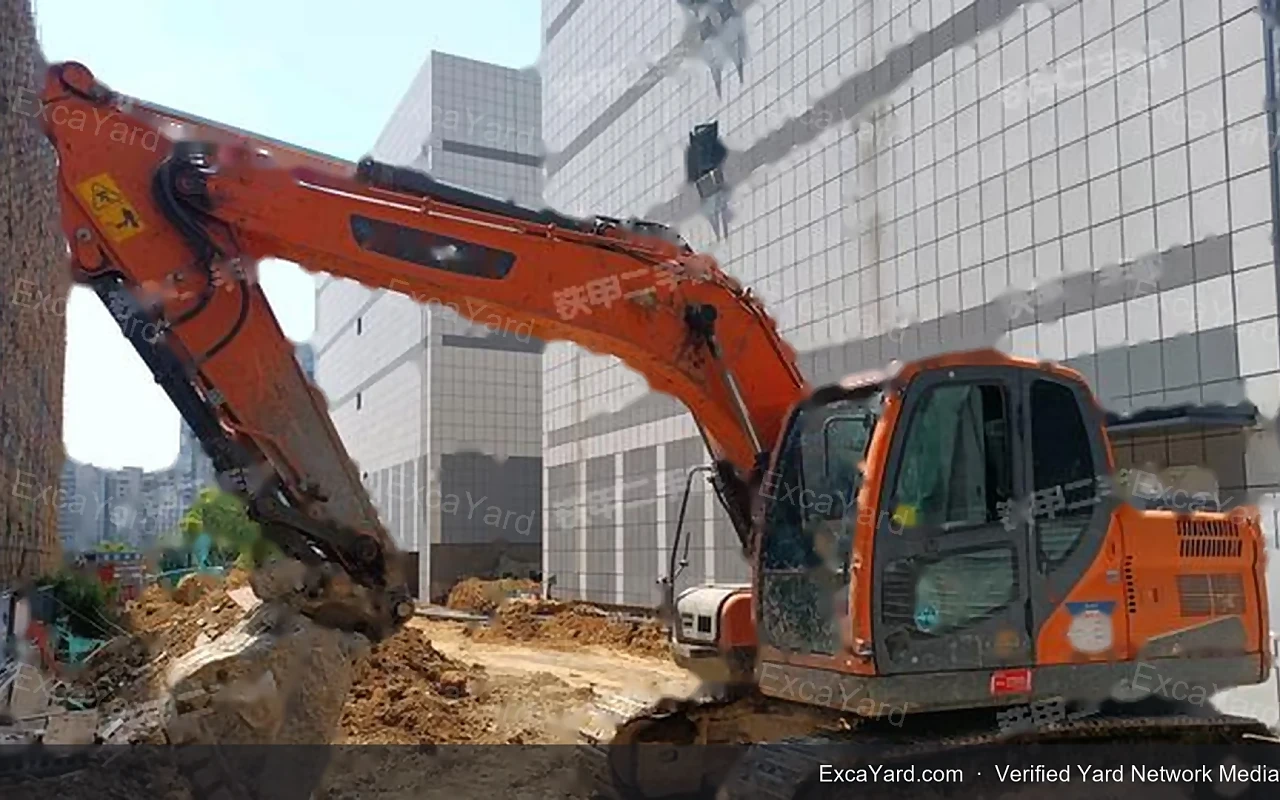
Each of these can be documented remotely. None of them can be replaced by a clean listing or a shiny photo set.
What the used Doosan DH225LC7 excavator price of $13,500 buys
A 22.5-tonne excavator at $13,500 is an entry ticket, not a total cost. The DH225LC7 price covers the machine at the source yard. It does not include freight, marine insurance, destination charges, inland transport or the first round of repairs an old unit usually needs.
Before comparing this unit with a newer 20-tonne machine, add the items the inspection has already identified, then add a contingency for what the inspection could not see. A cheap old machine with tired hoses and a worn undercarriage can end up costing more than a cleaner unit that looked expensive on day one.
Also confirm the commercial term in writing. EXW, FOB and CIF are three different budgets, and a verbal “price includes shipping” is not a quote. Ask what documentation, loading, lashing and inland transport are covered before you compare two numbers side by side.
The cheapest way to lose money on this class of purchase is to let the low price justify skipping the inspection. The smaller the margin for surprise, the more the inspection is worth.
Parts and the Doosan name in export markets
Doosan has dealer and aftermarket support in most major export markets, and the DH225LC7 is an older, mechanically familiar model. That is an advantage for a buyer who plans to maintain the machine locally.
It does not remove the need to check supply in your own country. Before buying, price a filter set, a hydraulic hose, a bucket tooth and a track link with a local supplier. If those common items are hard to source, the low purchase price will be consumed by downtime.
The LC in the model name refers to the long-crawler undercarriage, which is one reason this machine is stable in soft ground. It also means undercarriage parts are specific to the variant. Order by part number from the plate, not by memory or by what a nearby owner happens to have.
Who this unit fits, and who should walk away
This DH225LC7 makes sense for a buyer with workshop access, a market where Doosan parts are available, and enough time to inspect and correct the machine before it earns. It also suits a contractor adding a spare 22-tonne unit for seasonal or lower-utilisation work, where the purchase price matters more than the latest emissions standard.
It is a poor fit for a first-time importer who needs a turnkey machine working within weeks, for a project with a fixed start date and no contingency, or for anyone who cannot obtain independent inspection. Grade B describes presentation and disclosed wear. It is not a promise about the next 2,000 hours.
FAQ: used Doosan DH225LC7 excavator questions
Are the 4,200 hours original?
The listing does not claim that. Hours come from the meter and seller records, and the unit note says original hours cannot be guaranteed because of age. The inspection should test consistency: pedal and seat wear, hose date codes, service invoices, undercarriage life and ECU data where available. If those agree, the hours are plausible. If they do not, price the risk instead of arguing about the number.
What is included in the DH225LC7 price?
The listed $13,500 is the machine price at the source yard. Confirm the Incoterm in writing, and ask exactly what documentation, loading and inland transport are included. Compare offers on the same term, or the comparison is meaningless.
Can I inspect the machine before paying?
Yes. Ask for a cold-start video, continuous hydraulic video, undercarriage measurements, serial plate photos and any service records. A third-party inspection is welcome. On a sixteen-year-old machine, that inspection is the cheapest part of the purchase.
What payment terms are typical?
The standard structure is 30% deposit by T/T with 70% before shipment, and L/C is available for established buyers. Terms are negotiable, but they should be agreed in the same document as the inspection scope and the shipping plan.
Checking this unit without flying to China
ExcaYard works as a verified yard network, not as the owner of every machine on the site. This DH225LC7 sits with a partner yard in Beijing. Our role is to collect the evidence you ask for, confirm what the yard is actually presenting, and quote the commercial route honestly. If an inspection finds something that changes the value, we would rather report it than push the unit through.
You can see the current photo set and specification on the used Doosan DH225LC7 excavator stock page, compare other units on the Doosan brand page, or send your port, budget and inspection questions through contact.
We do not own the yard, and we do not invent hours, grades or repair histories. What we can do is make the seller prove the machine before your money moves.
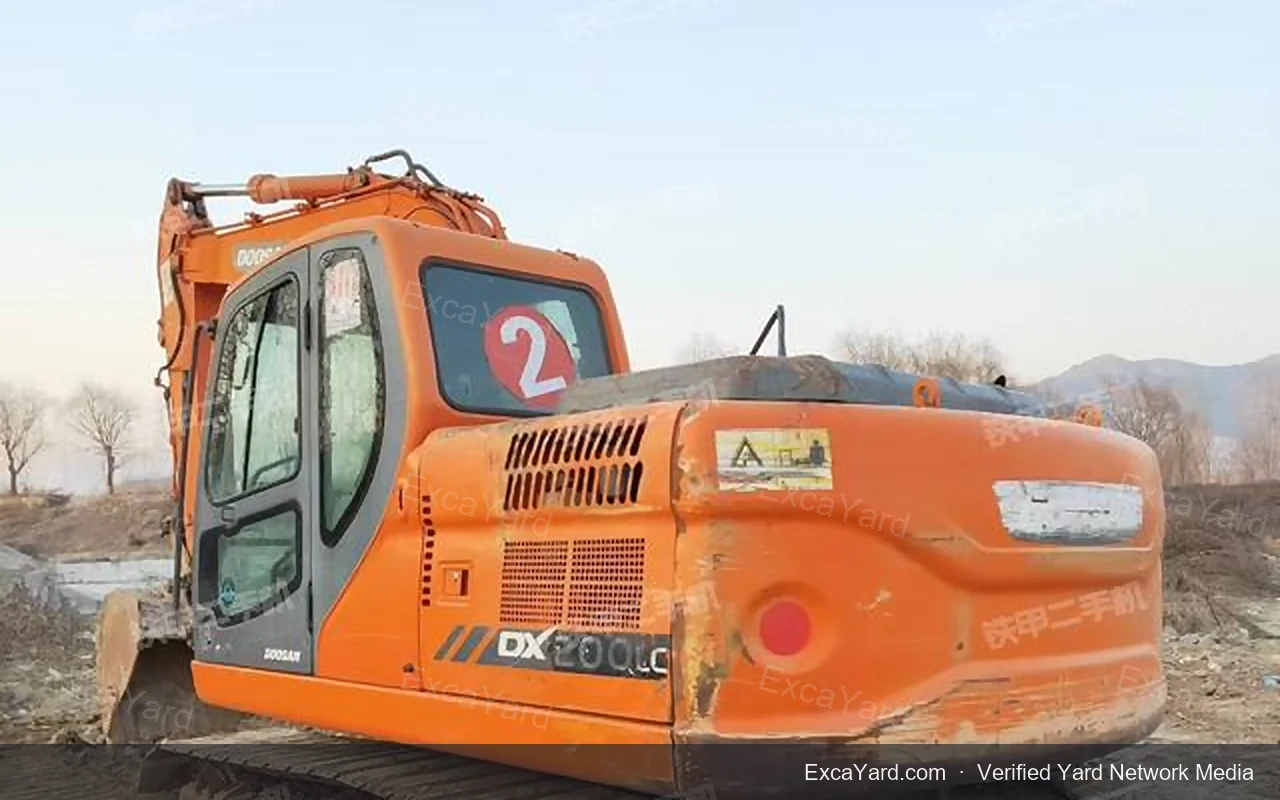
Used Doosan DX150LC Excavator: The $12,000 15-Ton Price Band
A 2015 used Doosan DX150LC excavator at $12,000 compared with every other $12,000 unit in the yard list: DX150LC price, inspection, hours and shipping notes.
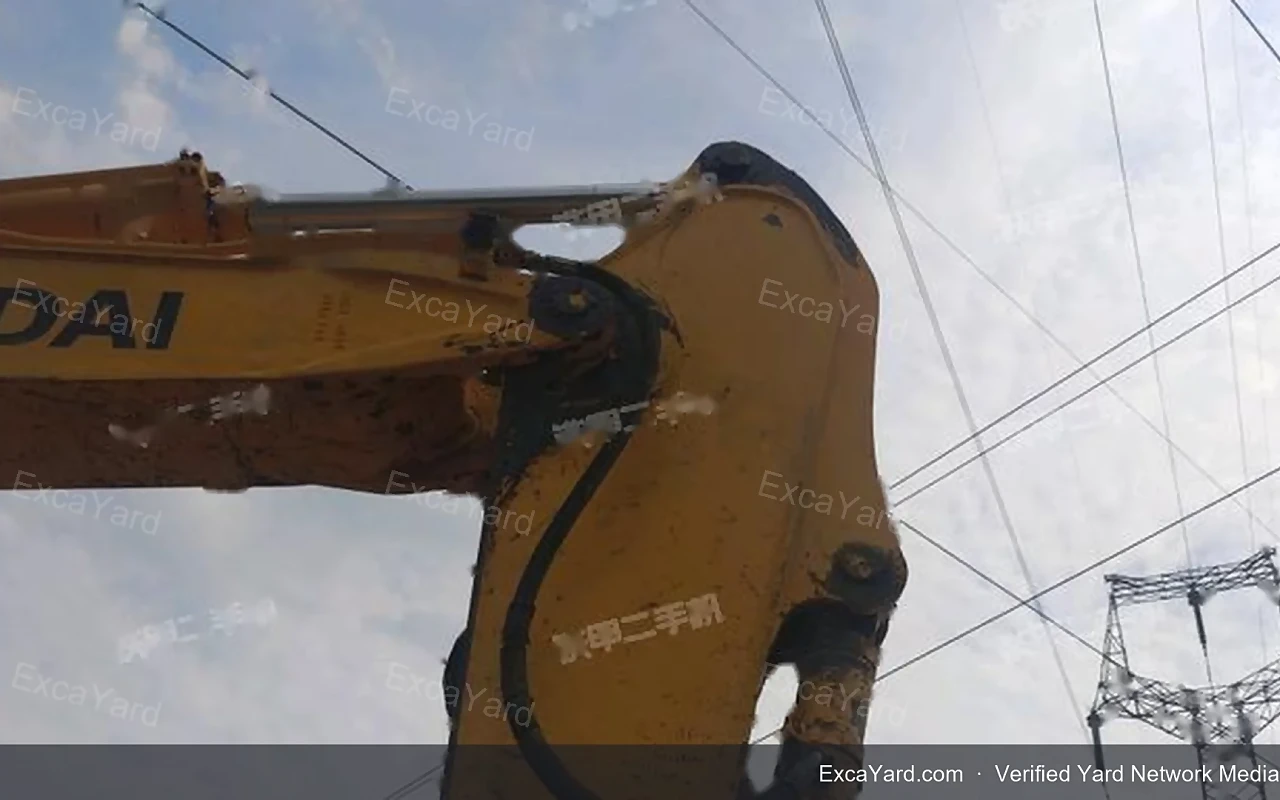
Used Hyundai R150LC9 Excavator: What $12,000 Buys in the 15-Ton Class
A 2014 used Hyundai R150LC9 excavator with 8,400 hours at $12,000: repair risk, R150LC9 inspection points, parts supply and shipping notes.
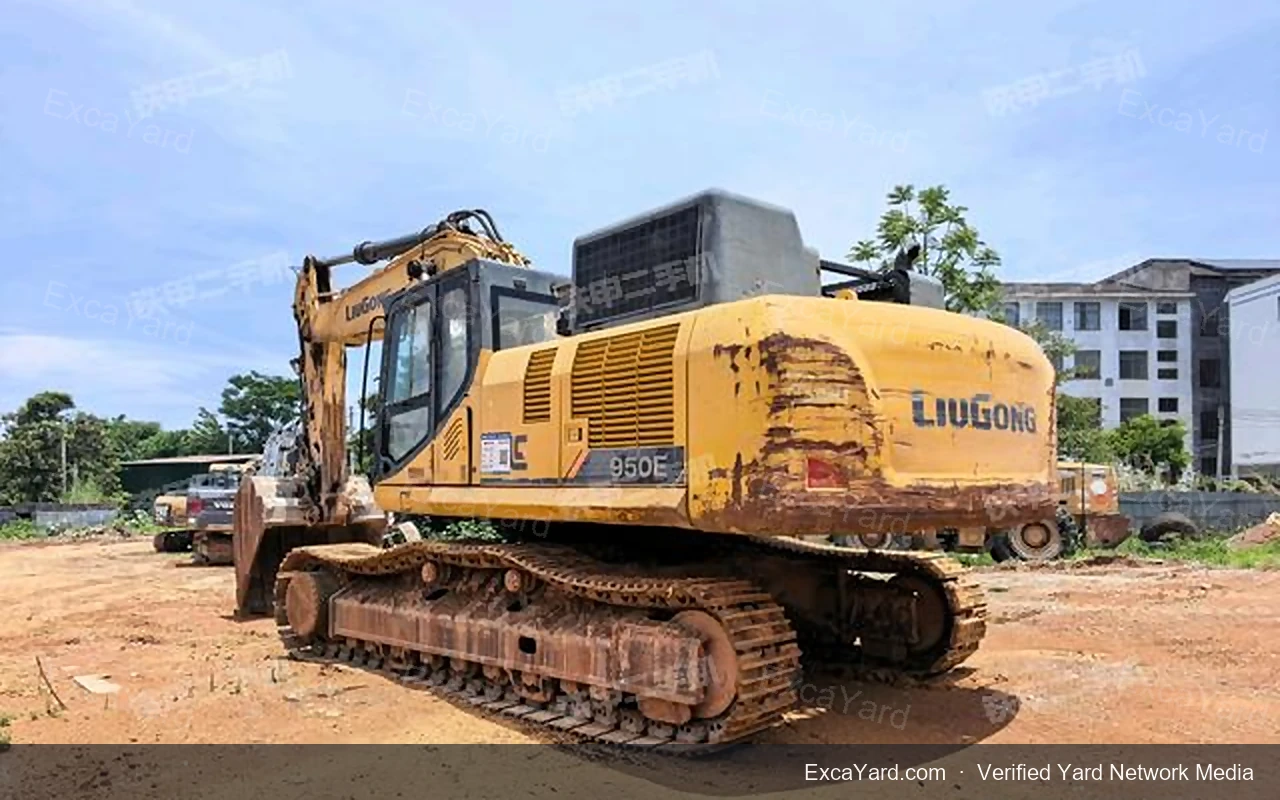
Used LiuGong CLG950E Excavator: 50-Ton Badge, 95-Ton Listing
Used LiuGong CLG950E excavator at $48,000: 2020, 7,236 hours, Grade A. The listing says 95 t and a 4.75 m³ bucket — confirm the real class and transport plan first.