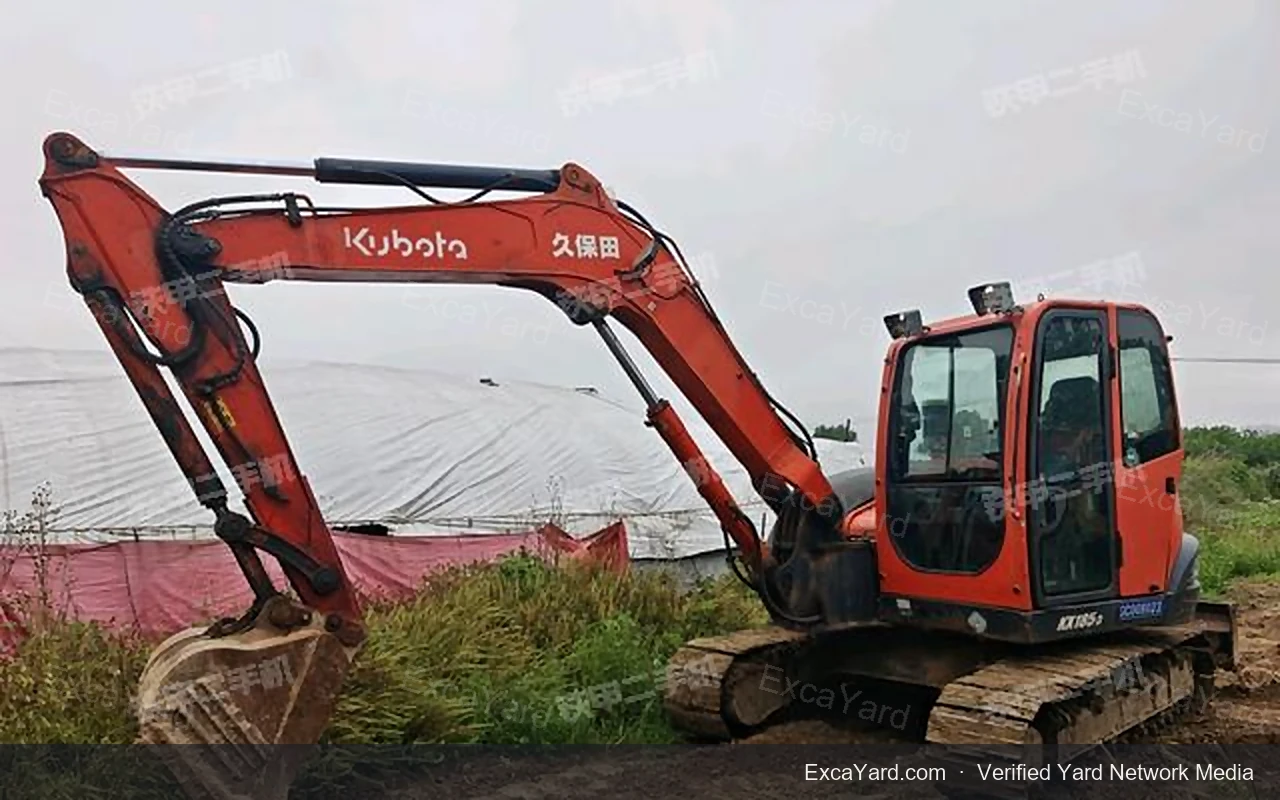
Used Sumitomo SH2405 Excavator: 24-Tonne Value and Parts Reality
A used Sumitomo SH2405 excavator with 5,800 hours is listed at $12,000. What the 24-tonne Japanese machine actually offers, how to inspect it, and where parts come from.
A used Sumitomo SH2405 excavator listed at $12,000 invites suspicion before it invites interest. Twelve thousand dollars for twenty-four tonnes of Japanese-built excavator is the kind of number that usually hides a cracked boom, a swapped hour meter, or a machine that has been parked in the rain for two years. The file on this unit is more ordinary than that. It is a 2014 machine showing 5,800 hours, a 1.2 m³ bucket, 24.05 tonnes of operating weight and a Grade B report from a partner yard in Beijing. What makes it worth a serious look is not the headline price. It is the distance between this number and what the rest of the 24-tonne class is asking.
The file, without the sales language
Here is the unit as recorded, before anyone adds adjectives:
| Field | Listing |
|---|---|
| Model | Sumitomo SH2405 (also written SH240-5) |
| Year | 2014 |
| Hours | 5,800 |
| Operating weight | 24.05 t |
| Bucket | 1.2 m³ |
| Grade | B |
| Location | Beijing, China |
| Price | $12,000 USD |
| Terms | FOB Shanghai |
Twelve calendar years and 5,800 hours works out at roughly 480 hours a year. For a 24-tonne machine that is low, and low hours on a heavy machine deserve a question rather than a celebration. The condition notes answer part of it: 60% track life remaining, moderate wear on sprockets and rollers, fading paint, surface rust on the counterweight, minor oil seepage at the boom cylinder seals, original paint with light scratching, no cracks or structural damage. That is the profile of a machine that worked a season, stopped, and was stored outdoors. It is not the profile of a rebuilt wreck with fresh paint over old damage.
Why this used Sumitomo SH2405 excavator is priced at $12,000
If you are searching for a used excavator SH2405 for sale, the price is the first thing to interrogate. Divide the asking price by the operating weight and you get about $499 per tonne. Run the same sum across comparable units in the current ExcaYard stock feed and the gap is obvious. A 2020 Komatsu PC240LC8M0, also 24 tonnes with a 1.2 m³ bucket and a similar 5,600 hours, is listed at $22,000 — about $917 per tonne. A 2020 Sany SY205C, smaller at 20.5 tonnes, is asking $20,000, or roughly $976 per tonne.
Three things explain the difference, and only one of them is condition.
The first is age. This is a 2014 machine competing against 2019 and 2020 units. Buyers pay for calendar years even when the hours are comparable, because age drives seal hardening, hose fatigue and electronics risk more than the meter does.
The second is grade. Grade B means a working machine with cosmetic wear and disclosed minor defects. The boom cylinder seepage in the notes is a real cost, small but real, and it belongs in your budget rather than in a surprise.
The third, and the one buyers underestimate, is brand liquidity. Sumitomo builds capable excavators, but outside Japan the badge does not move as fast as Caterpillar or Komatsu. A dealer in West Africa or Indonesia can turn a Cat 320 in weeks. A Sumitomo takes longer and often sells at a discount for no mechanical reason at all. Part of the $10,000 gap is simply the market charging you for a slower exit.
What 24 tonnes buys that a 20-tonne machine does not
The class exists for a reason. At 24.05 tonnes with a 1.2 m³ bucket, this machine carries more material per cycle than the 1.0 m³ buckets typical of 20-tonne units, and it puts more steel between the operator and the material. That matters in three situations: trench work where depth and reach are specified in the contract, lifting where the load chart is the constraint rather than the digging, and ground conditions where a 20-tonne machine feels marginal.
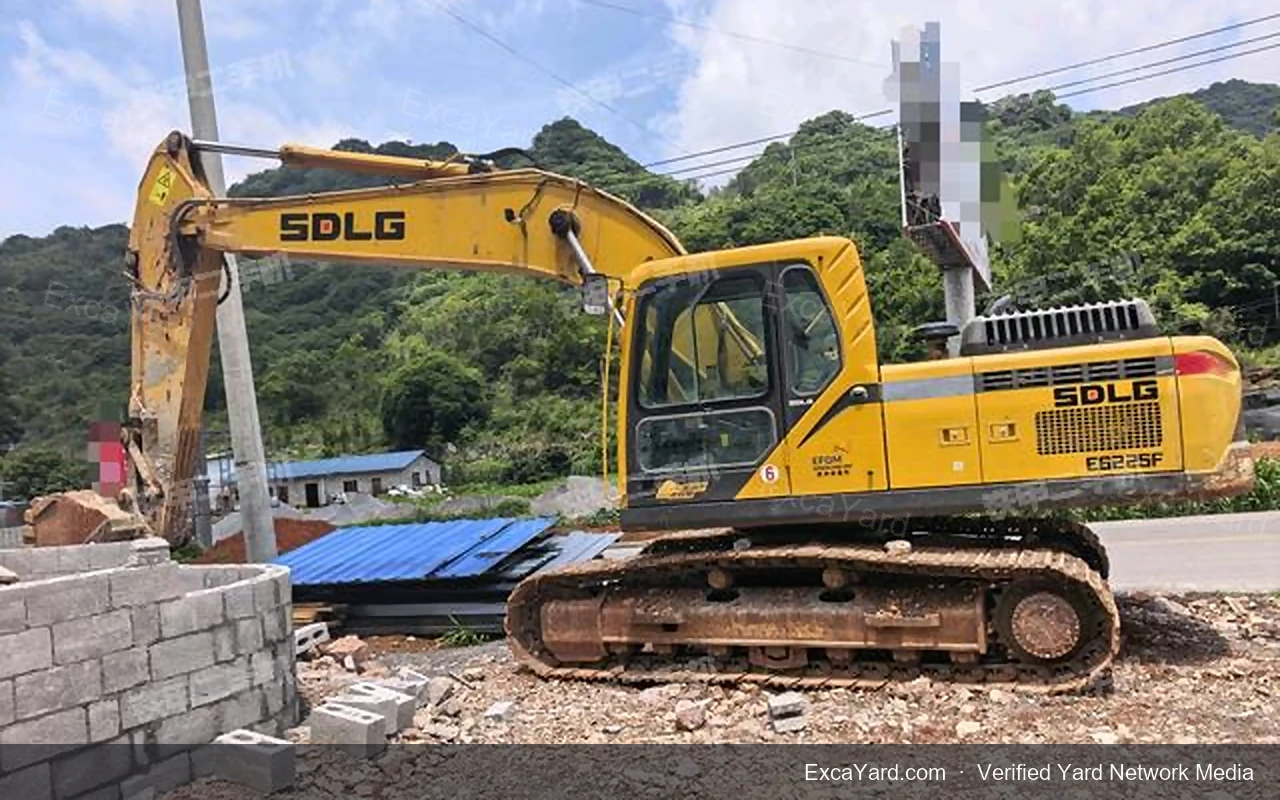
The trade is real too. A 24-tonne machine costs more to move, more to fuel per hour, and more to re-track. If your jobs are urban foundations and utility trenches on tight sites, the extra tonnage buys you nothing and costs you mobilisation. If your jobs are road building, drainage channels, quarry support or site preparation at volume, the class earns its keep.
One practical point: this listing quotes FOB Shanghai and suggests a 40-foot flat rack or RoRo. Confirm dimensions with the forwarder before you book anything, because boom and cab configuration decide the method, not the brochure weight.
The parts question: Sumitomo outside Japan
The listing states that Sumitomo parts are widely available through dealers in Africa, South-East Asia and Latin America, and that OEM parts can be sourced on request. Treat that as a starting point for your own check, not as a guarantee.
Split the parts problem into three tiers, because they behave differently.
Consumables — filters, belts, bucket teeth, hoses, seals. These are rarely a problem. They can be bundled before shipment and cost little.
Wear assemblies — undercarriage chains, rollers, idlers, pins and bushings. Sourceable, but expensive, and the price varies wildly by market. Price a full track set locally before you bid, because a machine at 60% track life has a known future bill.
Proprietary components — hydraulic pump, control valve, swing motor, controller. This is where an orphan brand hurts. Photograph the serial plate and get the part numbers for the pump and the controller before you commit. Then price them at home. A machine is only cheap if the expensive parts can be replaced.
SH2405 inspection: the eight checks that decide the deal
Cosmetics are irrelevant here. Work through the mechanical list in order, and ask for continuous video rather than edited clips.
- Cold start. The engine must start from cold on camera, not after a warm-up. Watch the exhaust for the first thirty seconds.
- Boom cylinder seepage. The notes already disclose minor weeping at the seals. Decide whether it is fixed before loading or priced into your offer. Do not accept “it is normal” without a number.
- Hydraulics at temperature. Twenty minutes of work, then a full cycle: boom, arm, bucket, swing, both travel directions. A pump that is fine cold and slow hot is a pump you will replace.
- Undercarriage measurement. Ask for photos with a tape or a coin for scale on the chain, sprocket, rollers and idler. “60% remaining” is only useful if you can see what it was measured against.
- Swing bearing and slew play. Push the bucket against a bank and watch for movement between the house and the track frame.
- Pins and bushings. Close-ups of the bucket pins under load. Play here is death by a thousand repairs.
- Hour meter versus wear. 5,800 hours should look like 5,800 hours — pedal and joystick wear, seat condition, paint on the boom foot. If the machine looks like 12,000 hours, believe the machine, not the display.
- Paperwork. Serial plate, any service records, and the export documents. A machine with no history is not disqualified, but it should be priced as a machine with no history.
How to inspect the used Sumitomo SH2405 excavator remotely
Remote inspection is a process, not a photo album. Ask for a continuous ten-minute walkaround with the engine off, a cold start, a hot hydraulic cycle, and close-ups of the undercarriage, the serial plate and every leak. Ask for the original files, not compressed chat clips — you cannot judge a seepage stain from a 480p video.
ExcaYard does not own the yards it lists from. We work through a verified network of partner yards, and an inspection is commissioned on your behalf so the report reaches you rather than stopping at the seller. That distinction matters when something is wrong: the person paid to look is not the person paid to sell.
SH2405 price: what $12,000 leaves in the budget
The purchase price is the entry ticket, not the cost. Build the rest of the number before you send a deposit:
- Cylinder reseal for the disclosed boom seepage.
- Undercarriage allowance if you intend to run it hard; 60% track life is a countdown, not a crisis.
- Filters, fluids, grease and a spare set of teeth for the first service cycle.
- Freight and duty, which are destination-specific — ask for a CIF figure rather than guessing.
- A contingency for the thing the photos did not show.
A sensible rule for a twelve-year-old Grade B machine is to hold 10–15% of the purchase price for the first cycle. Here that is $1,200–$1,800. Add it to $12,000 and the machine is still far below the $22,000 Komatsu, but the gap is narrower than the listing makes it look. If the Sumitomo needs $4,000 of work, the value case changes shape.
Who should buy it, and who should not
This unit suits a contractor who needs 24-tonne capability and wants to preserve capital, a dealer in a market where Sumitomo is recognised and can be serviced, or a buyer with mechanical capacity in-house who can absorb a reseal without a dealer visit.
It is the wrong machine for a first-time importer with no local support, for anyone who needs a warranty-backed fleet unit, and for a buyer who may need to resell within twelve months. Slow-liquidity brands punish quick exits.
One more check before money moves: the listing does not state an engine model. If your market restricts imports by emission standard, read the engine plate first and confirm it clears your customs rules. Do not assume.
How ExcaYard handles this unit
The used Sumitomo SH2405 excavator listing carries the photos, the condition notes and the current availability. If you want the wider picture, the 24-tonne class page shows what else sits in that band and how the pricing compares.
We quote FOB or CIF, arrange inspection through the partner yard, and tell you when a unit is not worth the freight. If the numbers above match your job, send us your destination port and target budget and we will confirm whether this machine is still on the ground.
FAQ
Is this used Sumitomo SH2405 excavator still available? Stock moves. The listing reflects current status, but confirm before you plan anything around it. If it has sold, we will tell you what comparable 24-tonne units are in the network rather than substituting quietly.
Are the 5,800 hours verified? The meter is checked during inspection and cross-referenced against service records and visible wear. That is verification of consistency, not a forensic guarantee that the meter has never been opened. The condition notes are written to let you judge that yourself.
What does Grade B mean on this machine? A working machine with cosmetic wear and disclosed minor defects — in this case paint fading, surface rust on the counterweight and minor boom cylinder seepage. It is not a rebuilt unit and it is not represented as one.
Can it ship in a container? The listing suggests a 40-foot flat rack or RoRo. The final method depends on boom and cab configuration after dismantling, so confirm dimensions with the forwarder before booking.
What is the SH2405 price delivered to my port? The $12,000 figure is FOB Shanghai. CIF depends on destination, method and whether you bundle attachments or spares. Send the port and we will return a real number instead of a range.
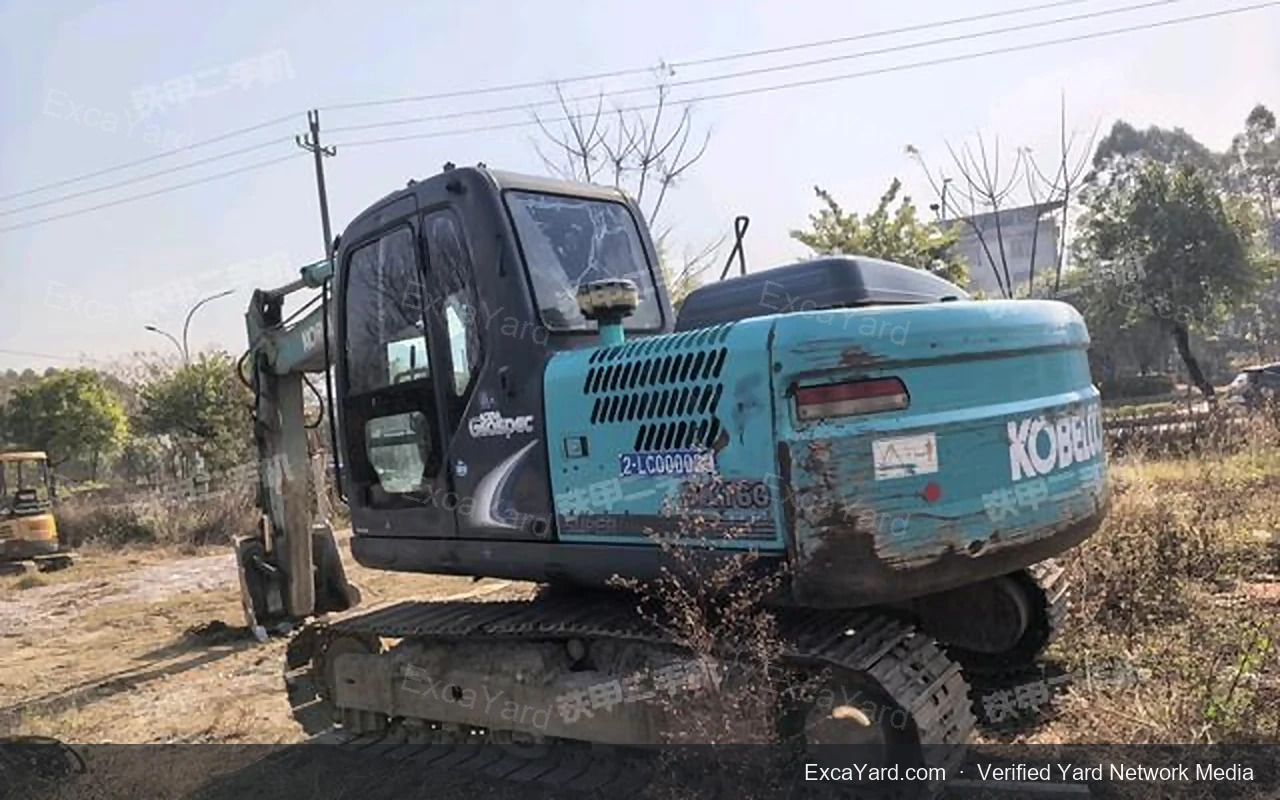
Used Kobelco SK140LC8 Excavator: A 14-Ton Utility and Transport Guide
A used Kobelco SK140LC8 excavator with 4,200 hours, Grade A, listed at $29,000: 14-ton utility fit, transport planning, inspection points and price context.
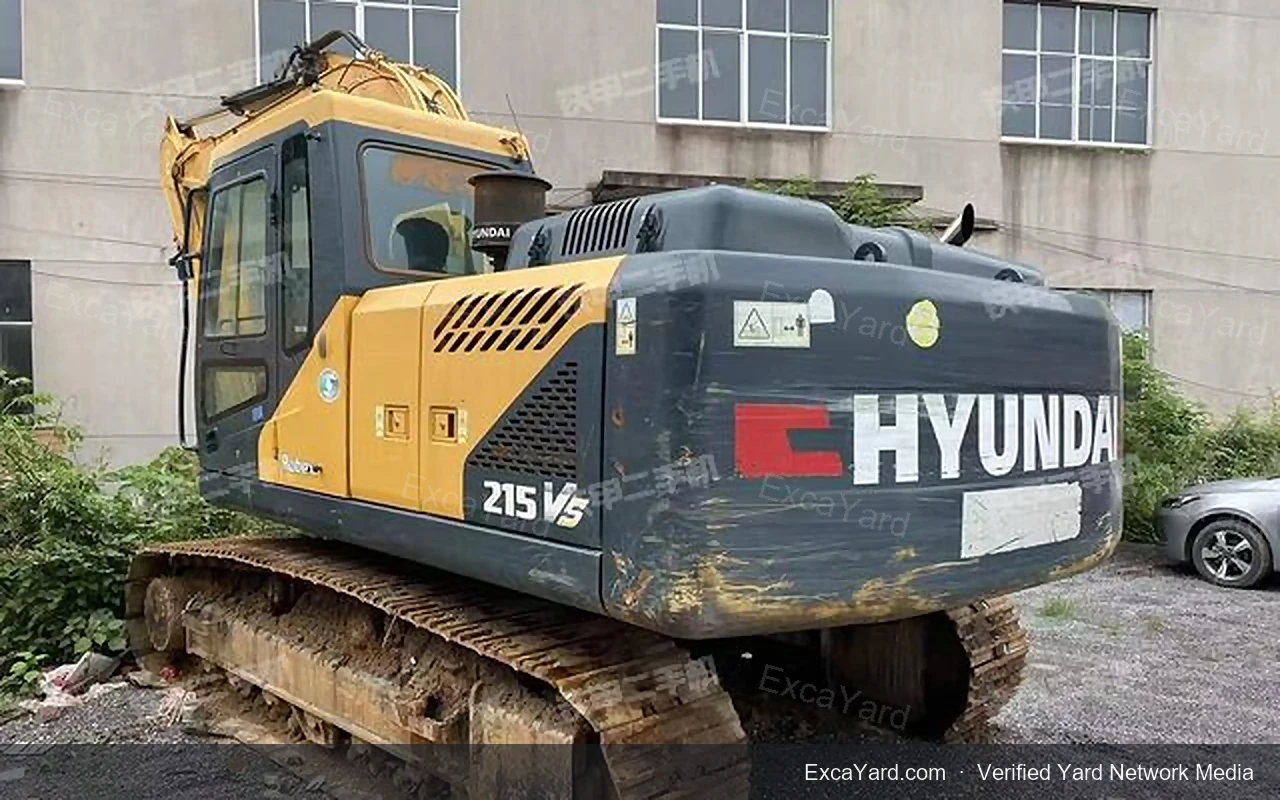
Used Hyundai R215VS Excavator: 2021 21.5-Ton Unit at $22,500
A 2021 used Hyundai R215VS excavator with 7,600 hours at $22,500: R215VS price logic, Grade A inspection, parts support and resale notes for export buyers.
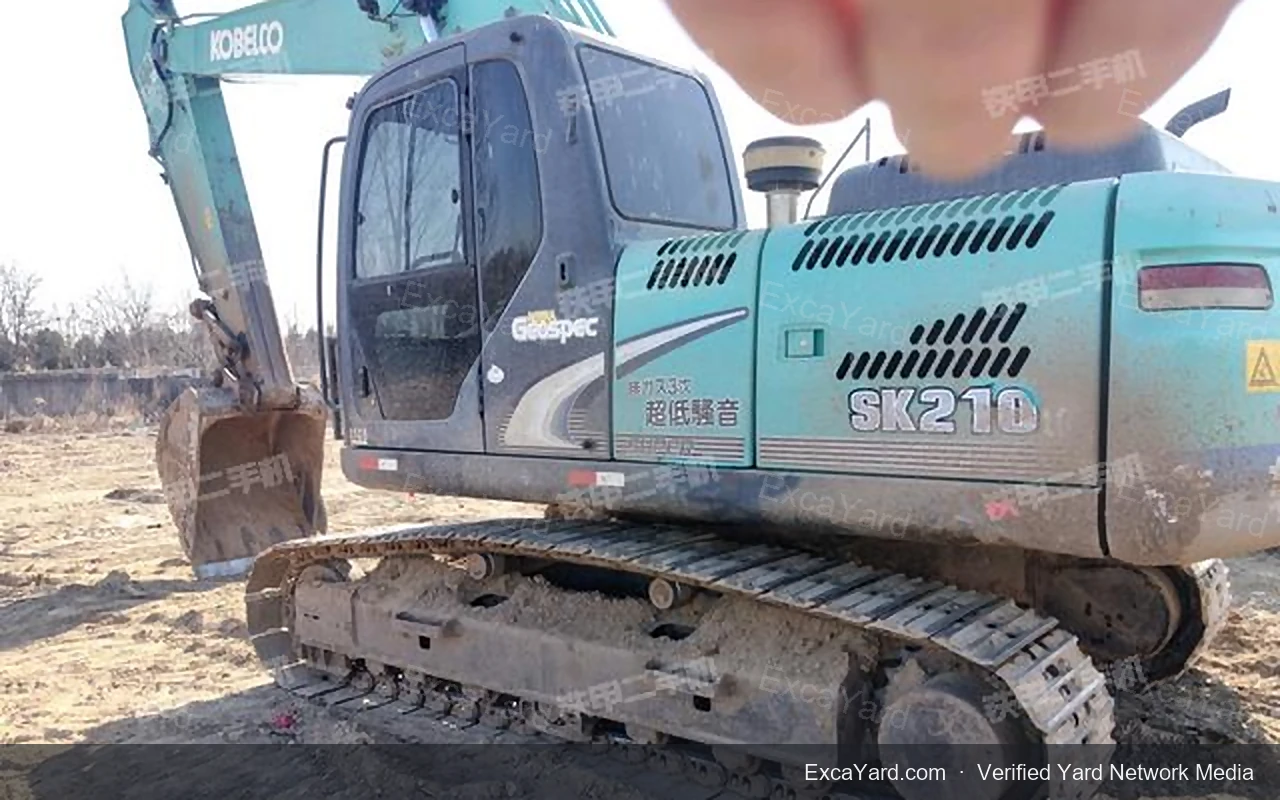
Used Kobelco SK2008 Excavator: The $12,000 20-Ton Band
Used Kobelco SK2008 excavator buyer guide: 2015, 6,200 hours, 20.08 tons, 1.0 m³, $12,000. What the price band buys, condition budget, landed cost and buyer fit.