Used Caterpillar 320D from China for Export to Kenya (2026 Spec, Price, Shipping)
Honest 2026 buyer guide for used Caterpillar 320D excavators exported from China to Kenya — USD $28,000–$65,000 pricing, Mombasa import, KEBS PVoC, 28–32 days transit, and the inspection points that separate a working machine from a yard statistic.
The Caterpillar 320D is a 20-ton-class used excavator that ExcaYard sources, inspects and ships from China to Kenya. This 2026 guide covers the honest price band from China yards, the Mombasa import path and KEBS PVoC clearance, the shipping options, and the inspection points that separate a working machine from a yard statistic.
Caterpillar 320D in one paragraph
Caterpillar 320D is a Caterpillar 20-ton-class hydraulic excavator. ExcaYard keeps it among the 20-ton machines it exports across Africa and beyond. In 2026 the Caterpillar 320D trades at roughly USD $28,000–$65,000 FOB Shanghai depending on year and hours. Road building, general earthmoving, quarry support and foundation work is its natural work, and its premium parts story is a key reason buyers keep coming back to it.
Why Kenya buyers pick the Caterpillar 320D in 2026
Four concrete reasons the Caterpillar 320D is a common import into Kenya for road and quarry contractors in 2026:
- The Mombasa import path is proven: Kenya buyers clear this machine through Mombasa on a 28–32 days sea route, under the KEBS PVoC requirement. The route is well-travelled, so forwarding and clearance are predictable.
- The price lands in the Africa budget band: at USD $28,000–$65,000, the Caterpillar 320D sits where Africa contractors and road and quarry contractors actually buy, rather than where they only browse.
- Caterpillar runs the deepest parts and dealer network of any excavator OEM, which matters when a machine is working far from a major port or city.
- The machine fits Kenya work: a 20-ton excavator is the right tool for road building, general earthmoving, quarry support and foundation work, which is exactly the work road and quarry contractors in Kenya run every week.
Where the Caterpillar 320D falls short
Honest trade-offs the Kenya buyer should accept before deposit:
- You pay an acquisition premium up front: the Caterpillar name and parts network cost real money at purchase. The premium only pays back if you use the machine hard and keep it long enough.
- Used hours are the real risk: a tampered hour meter or a machine that spent its life in hard quarry duty can look identical to a clean one in photos. Verification is a must, not an option.
- Condition varies far more than year: two Caterpillar 320D machines of the same build year can be 40% apart in true value depending on undercarriage and hydraulic history. Judge the individual machine, not the model reputation.
2026 used market prices from China yards
Honest USD pricing for export-ready Caterpillar 320D from Shanghai, Ningbo, Qingdao and Tianjin yards in 2026. These bands are approximate — a specific machine’s number depends on its year, hours and undercarriage:
- Higher hours, fair condition: approximately $28,000–$40,200 FOB Shanghai. Expect visible wear and budget for immediate service work after landing.
- Mid hours, good condition: approximately $40,200–$52,400 FOB Shanghai. This is the sweet spot most ExcaYard stock falls into — work-ready with a service log.
- Low hours, very good condition: approximately $52,400–$65,000 FOB Shanghai. Recent service history, strong undercarriage, minor cosmetic wear.
Add freight and import clearance to reach a landed cost — see the shipping and landed-cost sections below. For a live number on today’s stock, browse current inventory or send us a spec brief on WhatsApp.
Verified in stock now — 5 Caterpillar 320D units in ExcaYard China yards (year · hours · grade):
- 2013 Caterpillar 320D · 10,690 hrs · Grade B
- 2013 Caterpillar 320D · 10,690 hrs · Grade B
- 2012 Caterpillar 320D · 16,000 hrs · Grade C
- 2011 Caterpillar 320D · 8,000 hrs · Grade B
- View all 5 Caterpillar 320D units in stock →
Four hard inspection points before deposit
These are the checks (part of ExcaYard’s 150-point report) that catch the most expensive surprises on a used Caterpillar 320D:
1. Engine condition: cold-start smoke, blow-by and any oil or coolant leaks tell you more than the hour meter does. Insist on a cold-start video and a compression check for the class of machine you are buying.
2. Hydraulic system: test cycle speed, look for cylinder drift with a loaded bucket, and read the hose date codes. A machine with original hoses beyond service life will cost you a full hose pack shortly after landing.
3. Undercarriage: measure track, sprocket and idler wear. Undercarriage condition is the single biggest variable between two units of the same year and is the easiest place for a yard to hide real wear.
4. Paint thickness and structure: a paint gauge across the boom, arm and counterweight reveals prior damage or repair. Factory paint should read consistent; a patched area reads thicker.
5. Hours verification: cross-check the ECU reading against the service log and physical wear. Hour-meter rollback is the most common fraud in the China export market — see our hours-verification guide.
Mombasa import process and KEBS PVoC
Kenya requires every imported used machine to clear KEBS PVoC before release. The Caterpillar 320D follows the same process as any other used excavator:
1. The yard prepares the machine and photographs the serial plate, engine number and chassis VIN.
2. An inspection company (Intertek, SGS or Bureau Veritas) books a physical visit to the China yard, with a 5–7 working day lead time.
3. The inspector verifies condition and issues the conformity document required for Kenya clearance at Mombasa.
4. ExcaYard handles the documentation chain as part of standard service — confirm any other yard does the same before you commit a deposit.
Shipping options and transit times
Two practical options for Shanghai → Mombasa in 2026:
- RoRo (Roll-on / Roll-off): the Caterpillar 320D is loaded under its own power onto a vehicle carrier. Lower cost and simpler for working machines, transit approximately 28–32 days.
- Container: for higher-spec or near-new units, the boom and arm are partially detached into a flat-rack or 40-ft high-cube. Slightly slower and more expensive, but better protected.
Confirm loading dimensions with the yard before booking, especially for the 20-ton class.
Payment, deposit, and total landed cost
ExcaYard accepts the same payment methods for the Caterpillar 320D as for other models: T/T USD wire (Bank of China / SWIFT), Wise, L/C through Bank of China for 3+ machine orders, and CNY direct via Hong Kong settlement.
A typical landed cost for a mid-band Caterpillar 320D into Kenya in 2026 stacks up as:
- FOB Shanghai: the machine price from the bands above
- Freight to Mombasa: quoted per route, RoRo, container or overland
- Import conformity / certification: per the KEBS PVoC requirement
- Customs duty and VAT: set by Kenya tariff schedule — confirm the exact rate with your clearing agent at purchase
- Terminal handling and last-mile transport to site
For a firm all-in number on today’s stock, see our payment-terms guide or send us a spec brief on WhatsApp — we return a 24-hour CIF quote with real numbers.
FAQ
How many hours is too many on a used Caterpillar 320D?
For a fair-condition Caterpillar 320D bought for Kenya work in 2026, treat anything materially above its class-normal overhaul point as parts-donor value. The sweet spot is mid-hours with a verified service log, original hydraulics and undercarriage above 55%. Hours are only meaningful when verified against the ECU and physical wear — see our verification guide.
What condition band should I budget for the Caterpillar 320D in Kenya?
If your Kenya operation runs the machine hard, budget for the good-condition band rather than the cheapest fair-condition unit — the upfront saving is usually erased by immediate rebuild work. For lower utilization, a fair-condition machine with a strong undercarriage is a rational buy.
What does KEBS PVoC clearance actually involve for Kenya?
KEBS PVoC is a pre-shipment conformity check — an approved inspector verifies the machine at the China yard before it sails, so it clears Mombasa without being held. ExcaYard runs this documentation in-house for Kenya imports.
Is the Caterpillar 320D a sensible choice for road and quarry contractors in Kenya?
For the median road and quarry contractors in Kenya, the Caterpillar 320D is a defensible 2026 acquisition: it matches the local work profile, clears through Mombasa on a proven route, and its price band lines up with what Kenya buyers actually spend. The decision turns on your annual utilization and how long you plan to hold the machine.
Next step
If you are evaluating a Caterpillar 320D for your 2026 Kenya project, ExcaYard runs verified yard inventory with daily updated stock photos and inspection reports. Talk to us on WhatsApp at +86 150 5227 3039 with your spec brief (year, hours, undercarriage, pump condition, budget, destination port) and we will match against current stock within one working day.
References
- Caterpillar official excavator range — manufacturer reference for the Caterpillar 320D class.
- ISO 9001 quality management — the inspection framework behind the 150-point pre-shipment report.
These sources support the port, certification and tariff claims in this guide. They are authority references, not commercial competitors.
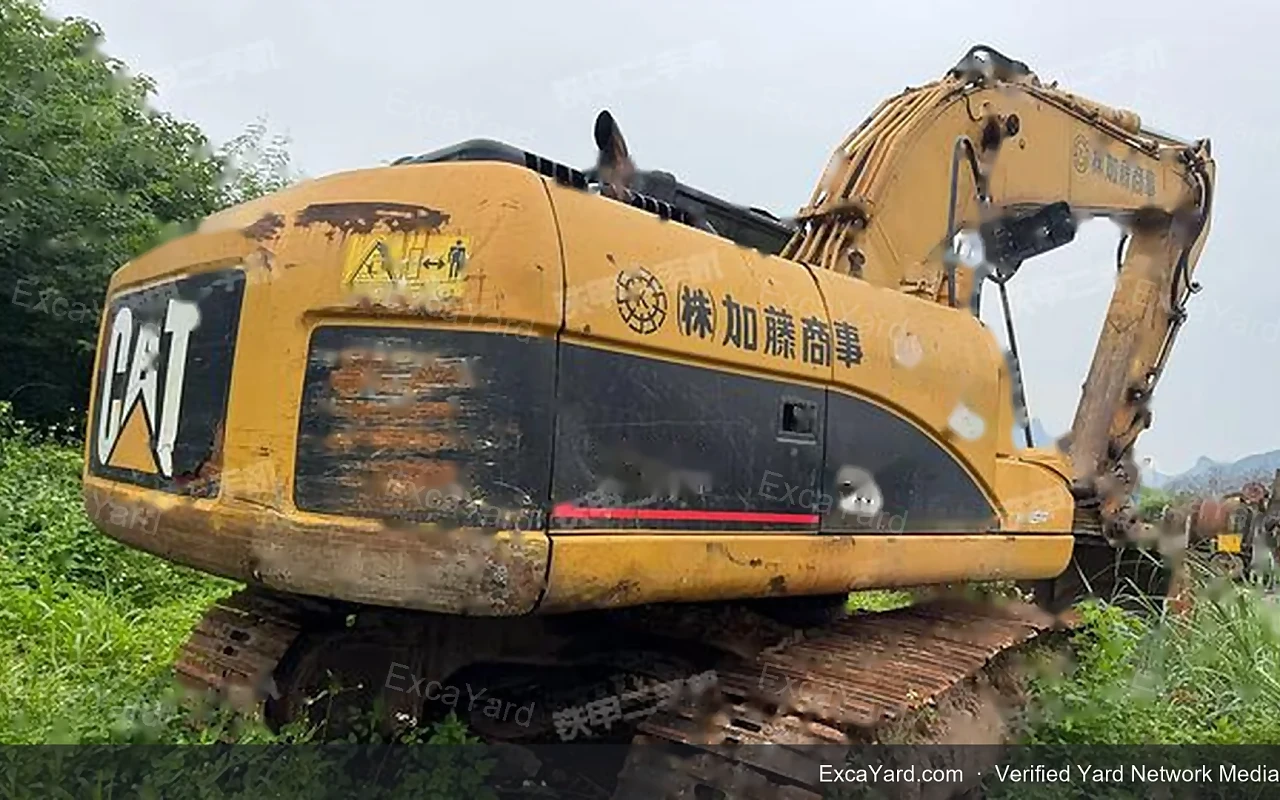
Used Caterpillar 320D from China for Export to Kazakhstan (2026 Spec, Price, Shipping)
Used Caterpillar 320D excavator export to Kazakhstan — pricing, Khorgos overland / Aktau import, EAEU customs, and shipping.
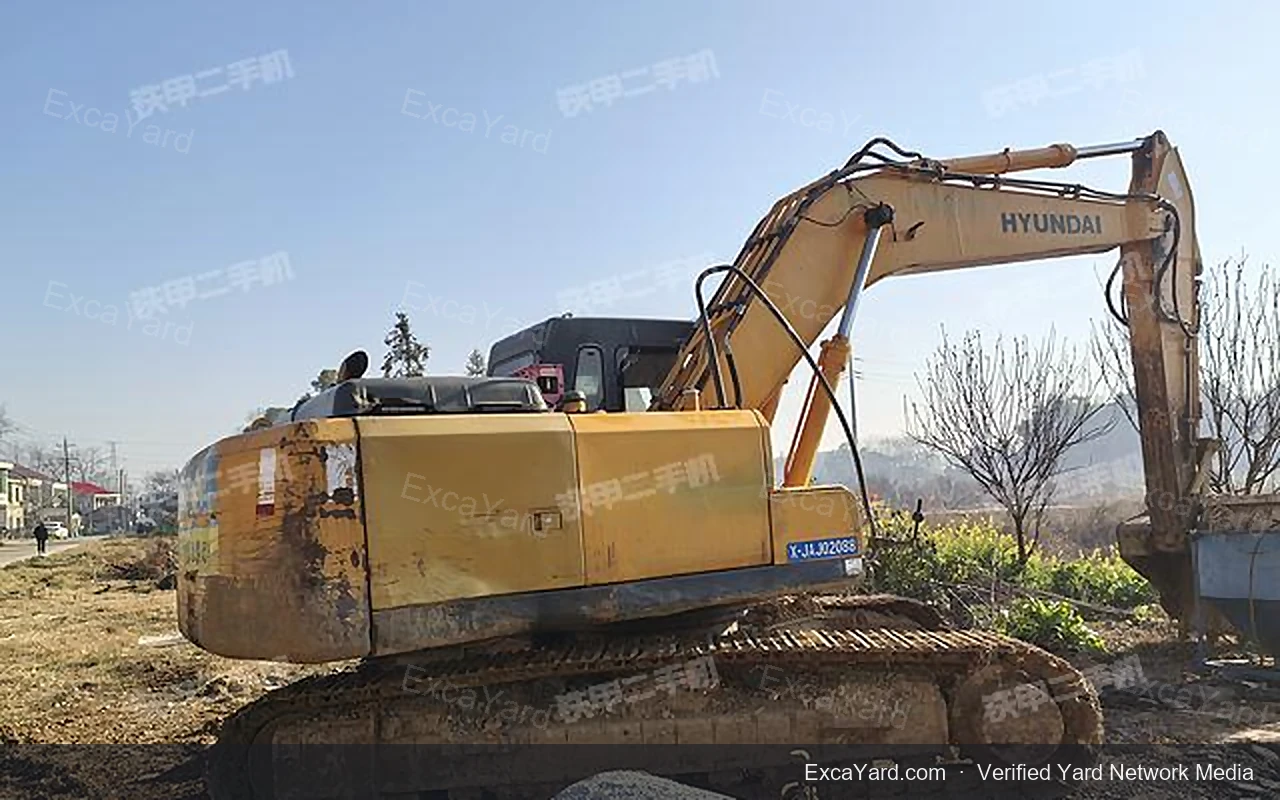
Used Hyundai R220LC-9 from China for Export to Kenya (2026 Spec, Price, Shipping)
Used Hyundai R220LC-9 excavator export to Kenya — pricing, Mombasa import, KEBS PVoC, and shipping.
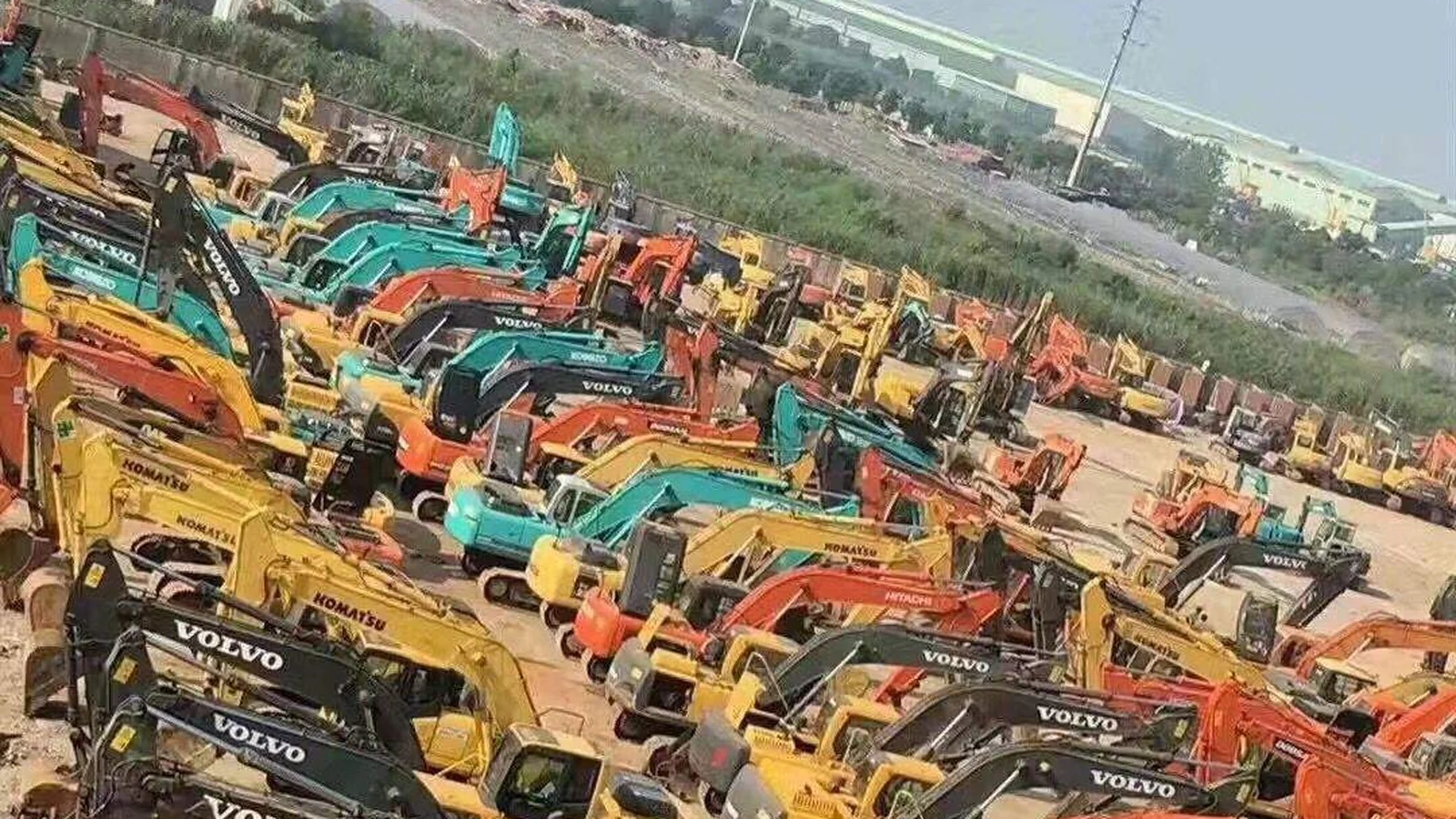
Cat vs Volvo Used Excavator: Honest Comparison for Export Buyers (2026)
Honest buyer guidance from the ExcaYard engineering team.