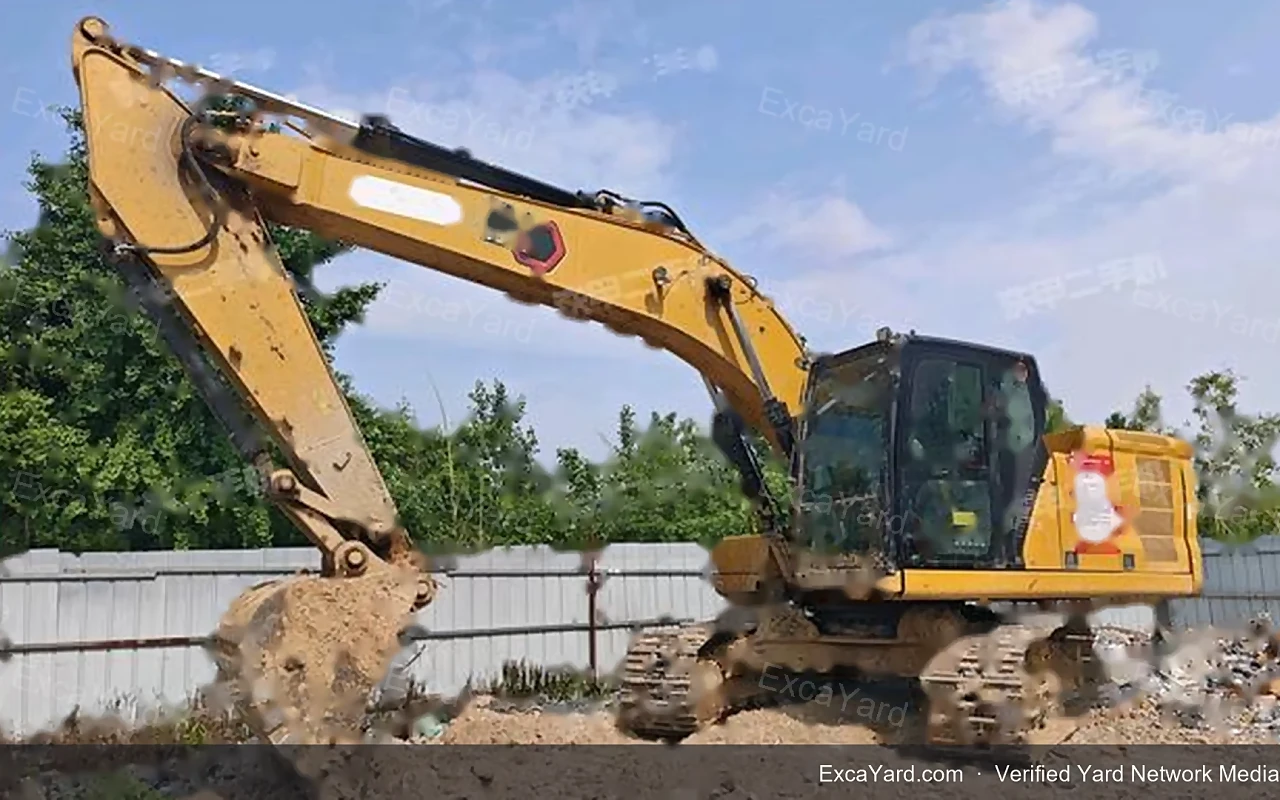
Used Caterpillar 320GC1 Excavator: 10,000 Hours in Six Years
Used Caterpillar 320GC1 excavator, 2020, 10,000 hours, $29,000. What 1,667 hours a year means, and the three buyer profiles this machine genuinely fits.
The 10,000-Hour Question on a 2020 Used Caterpillar 320GC1 Excavator
A 2020 crawler showing 10,000 hours is not a young machine with a recent sticker. It is a machine that has already worked a full career in six years, and the $29,000 asking price says so. Buyers searching for a used Caterpillar 320GC1 excavator tend to read the year, nod, and move on. The year is the least useful field on the sheet.
What matters is the pace: how hard those hours were earned, what they consumed, and how much meter life is left before the next owner faces the same decision. This listing gives us enough to answer all three without guessing.
| Field | Recorded value |
|---|---|
| Model | Caterpillar 320GC1 |
| Year | 2020 |
| Operating hours | 10,000 |
| Price (USD) | 29,000 |
| Grade | B |
| Operating weight | 32.0 t (as recorded — confirm on the serial plate) |
| Bucket capacity | 1.6 m³ |
| Engine model | Not recorded on this listing |
Treat the weight row as unverified until you have seen the plate. Freight is quoted from plate weight and dimensions, and a mismatch found at the port is expensive to fix.
1,667 Hours a Year: Reading the Pace, Not the Calendar
Ten thousand hours over six years averages 1,667 hours annually. Spread across a 240-day working year, that is roughly seven hours a day, every working day, for six years. This was not a weekend machine, and it was not a two-shift quarry loader either. It was a production tool on a steady site.
That pace has consequences that a low-hour machine avoids and a high-hour machine shares. Seals, hoses and bearings age on two clocks at once: the hour meter and the calendar. A 2020 machine has the newer calendar, which helps rubber and electronics, but the meter has already cycled the mechanical systems through a full working life. You are buying a six-year-old machine with thirteen-year-old wear in the components that count hours rather than birthdays.
The practical translation: expect the undercarriage to be near or past its first full replacement, expect pins and bushings to be at the end of a cycle, and expect the hydraulic system to be original unless the seller can show otherwise. None of that is a defect. It is what 10,000 hours means, and it should already be inside the price.
The Ratio That Prices This Machine
Divide price by meter and you get $2.90 per hour of past service. That is the capital you are being asked to sink for every hour already on the clock.
Put that beside the other end of the same market: a 2013 320D at $15,000 and 10,690 hours asks about $1.40 per meter hour. The 2020 unit costs roughly twice as much per hour of use it has already delivered. What you buy for the difference is seven more years of build date, a model that will still look current at resale, and a lower chance that the previous owner deferred maintenance in the final stretch before selling.
That last point is the one buyers underrate. Machines are often sold when the next major service is due, not when they stop working. A 2020 unit at 10,000 hours is entering exactly that window: the second undercarriage, the first major hydraulic service, the hose replacement cycle. Ask what has already been done, and price what has not.
What Ten Thousand Hours Consumes on a Crawler
The meter does not wear a machine evenly. It wears the parts that move most, in a sequence you can predict.
Undercarriage first. Track chains, sprockets, rollers and idlers take the load on every travel. By 10,000 hours, a crawler has usually been through one full set and is working on the second. Measure chain pitch and sprocket teeth rather than accepting a verbal “about 60% left”.
Pins and bushings second. Bucket linkage, stick-to-boom, and cylinder ends. Play here shows up as slop in the bucket and a machine that cannot hold a grade. It is fixable, and it is not cheap.
Hoses and seals third. Heat and pressure harden rubber. A 2020 machine’s hoses are younger than a 2013 machine’s, but 10,000 hours of pressure cycling still puts them in the replacement window. Look for weeping fittings and hoses that have been re-crimped.
Pumps and drives fourth. The main pump, swing motor and final drives are the expensive unknowns. A machine that still cycles at normal speed, holds a load and travels straight is telling you they are serviceable. A machine that is slow when hot is telling you something else.
Why “Newer” Is a Price, Not a Promise
A 2020 build date buys you three things: parts that are still current production, a cab and electronics package that operators accept without complaint, and a resale market that will still recognise the model in 2032. Those are real advantages and they are worth paying for.
It does not buy you a lower-hour machine. At 10,000 hours the 320GC1 has the same meter reading as a 2013 unit with 10,690, and the wear items are the same wear items. If the plan is to run it for another 6,000 hours and sell, the resale will be priced off a 16,000-hour meter regardless of the year on the plate. Model the exit before you model the entry.
The honest version of the “newer is better” argument is narrower: newer machines are easier to finance, easier to insure, and easier to sell to a buyer who only reads the year. If your market is full of those buyers, the premium pays back. If your market is full of operators who read the undercarriage, it does not.
Inspection Priorities for a Used Caterpillar 320GC1 Excavator
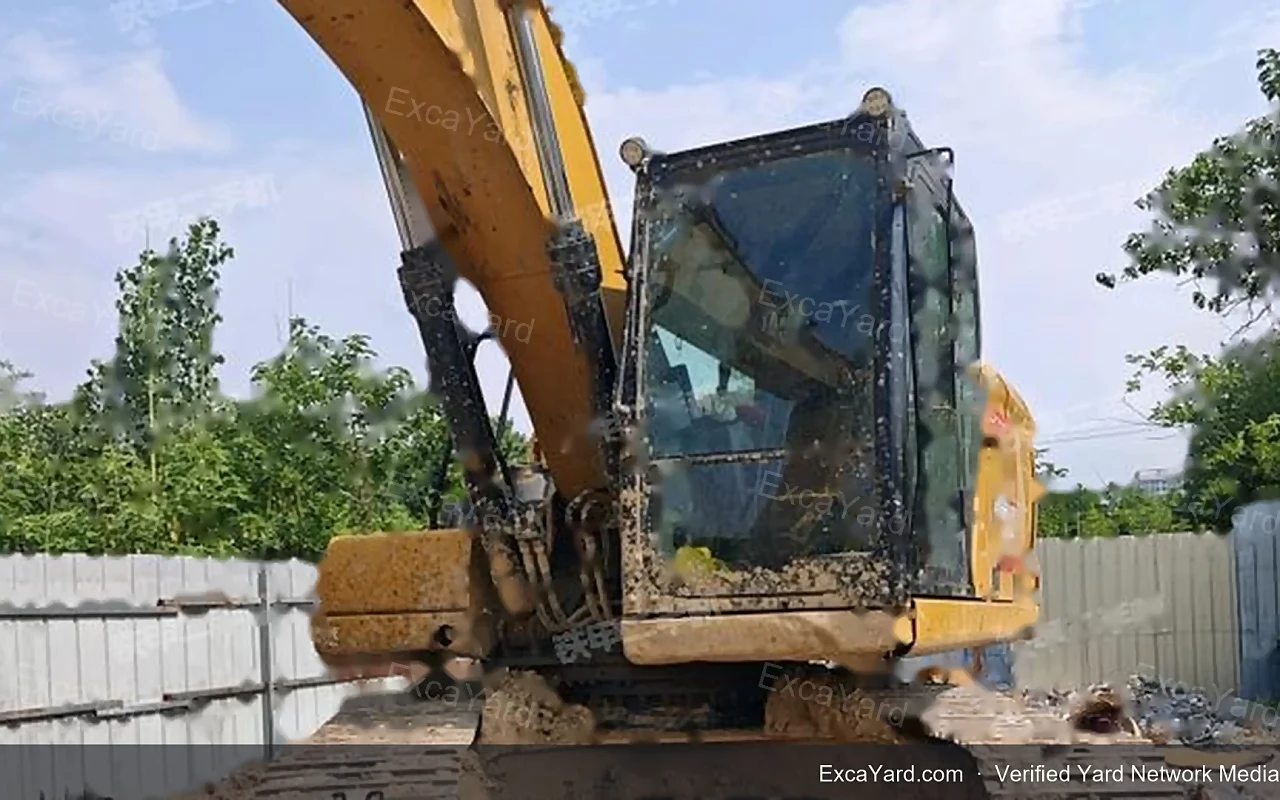
Six years of steady work leaves a readable pattern. Use it.
Start with the hour meter and the service record together. Ten thousand hours should map to a documented sequence of oil and filter services. If the record is thin, assume the worst interval was skipped and price accordingly.
Then measure the undercarriage cold. Chain pitch, sprocket tooth height, roller wear and idler play give you a number you can compare against a replacement quote. This is the single line item most likely to move the total cost by five figures.
Warm the machine and work it for at least twenty minutes. Hydraulic drift, cycle time, abnormal noise and any hesitation when hot are worth more than a clean engine bay. A cold machine hides a tired pump better than any paint job.
Check the structure with a light: boom foot, stick cylinder mounts, bucket linkage, and the welds along the boom. Cracks are not automatically a walk-away, but they are a negotiating fact.
Finally, pull an oil sample and ask for the ECM history if the seller has it. Fault codes that were cleared are still a story about how the machine was treated.
Buyer Fit: Three Profiles, One Verdict
The contractor with steady work. This machine fits. You have somewhere for it to dig next month, a mechanic who knows crawlers, and enough margin to absorb a second undercarriage over the next few years. The 2020 build date keeps operators and clients comfortable.
The fleet buyer adding capacity. It fits if the fleet already runs Caterpillar and the workshop stocks the consumables. Standardising on one brand turns a 10,000-hour machine into a known quantity rather than a gamble.
The first-time importer. It does not fit. A Grade B machine at this meter reading will ask for workshop time in the first year, and a buyer without local support will pay a premium for every surprise. Start with a machine you can inspect in person, or with a lower-hour unit, even at a higher price.
$29,000 Against the $15,000 Alternative
The gap between this unit and the cheapest 320D in the same network is $14,000. That gap buys seven build years, a current model designation, and a shorter list of unknowns at the point of sale.
But the gap narrows fast. If the cheaper machine needs $9,000 of undercarriage and hydraulic work in year one, the real difference is $5,000 — and now you are choosing between a 2013 machine you have repaired yourself and a 2020 machine you have not yet opened up. Neither is automatically the better buy. What decides it is which one you can inspect properly and which one has work waiting.
Run both through the same three numbers: capital recovery per month, cost per hour to run, and expected utilisation. The year on the plate does not appear in any of them.
FAQ: Used Caterpillar 320GC1 Excavator Questions
Where do the 10,000 hours on this used Caterpillar 320GC1 excavator come from? The figure is read from the machine meter and rechecked with the seller at inquiry. Because it is a used machine, independent verification during inspection is still the right move, and the wear pattern is the best cross-check.
Is a 2020 machine with 10,000 hours better than a 2013 with the same meter? It is newer, not fresher. The wear items are driven by hours, so the mechanical risk is similar. The 2020 unit wins on parts availability, operator acceptance and resale recognition, and that is what the extra $14,000 should be buying.
What payment terms apply? Typically a 30% deposit by T/T with the 70% balance before shipment. Letters of credit at sight are accepted for established buyers, and escrow can be arranged for an additional fee.
Are Cat parts available for this model? Filters, seals and undercarriage components are stock items at most Cat dealers, and aftermarket equivalents are widely available. Confirm locally before you commit, especially for undercarriage.
Next Step
See the full listing for this used Caterpillar 320GC1 excavator, compare it against the rest of the Caterpillar stock, or send your site profile and destination port through the contact page and ask for a like-for-like comparison against the 320D.
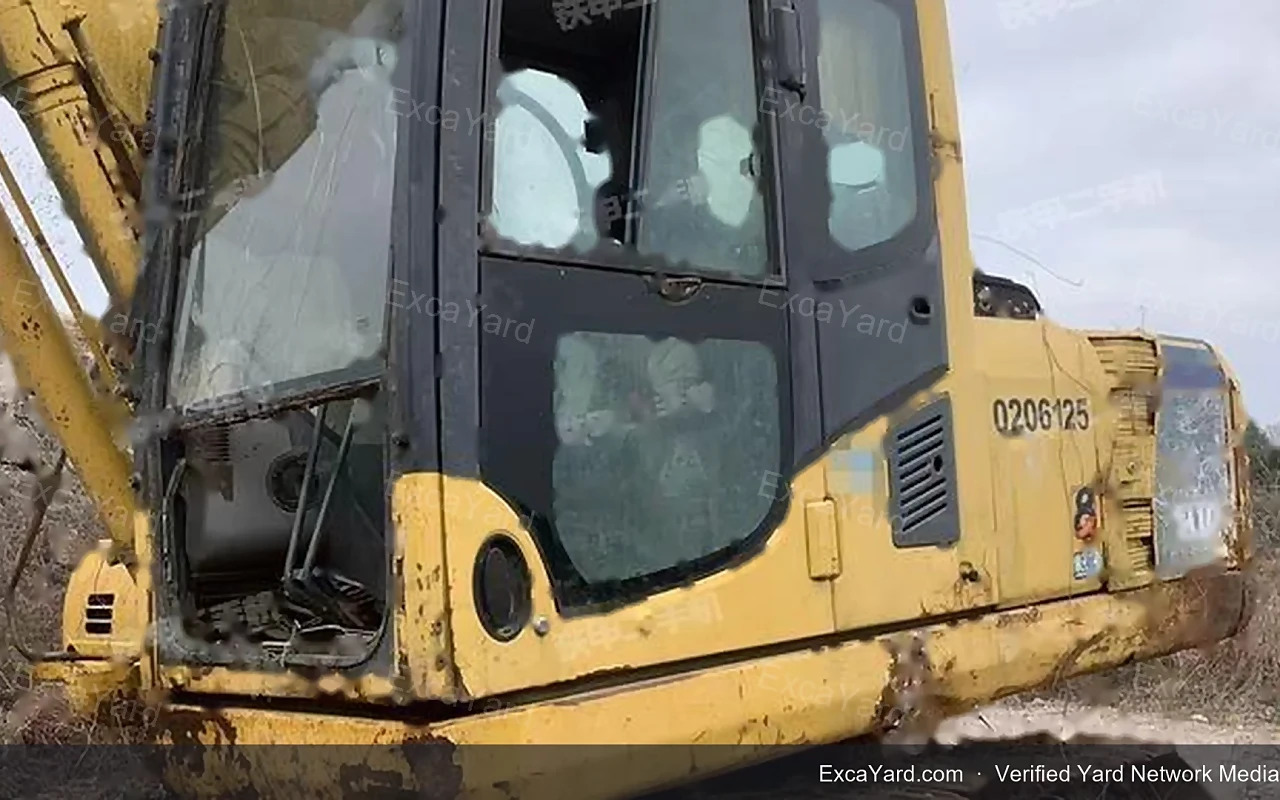
Cat 320 vs Komatsu PC200: Honest Comparison for Used Buyers (2026)
Choosing between a used Cat 320 and a used Komatsu PC200? Real-world differences in fuel economy, parts availability, resale value, and operating cost for export buyers.
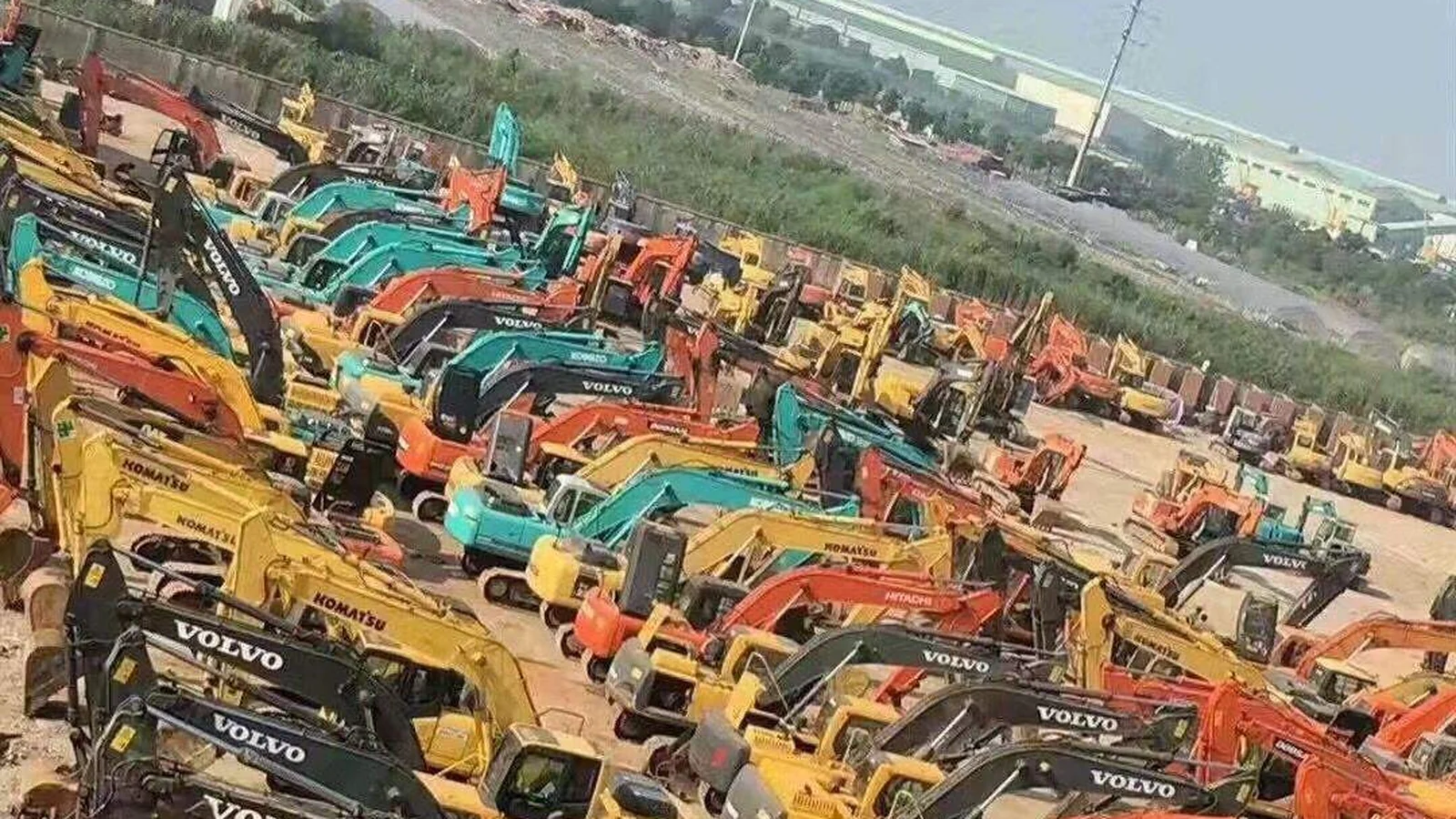
20-Ton vs 30-Ton Used Excavator: Which Class Should You Buy?
20-ton (Cat 320, Komatsu PC200) vs 30-ton (Cat 330, Komatsu PC300) — payload, fuel cost, transport cost, ROI per job class. Which makes more money for export buyers?
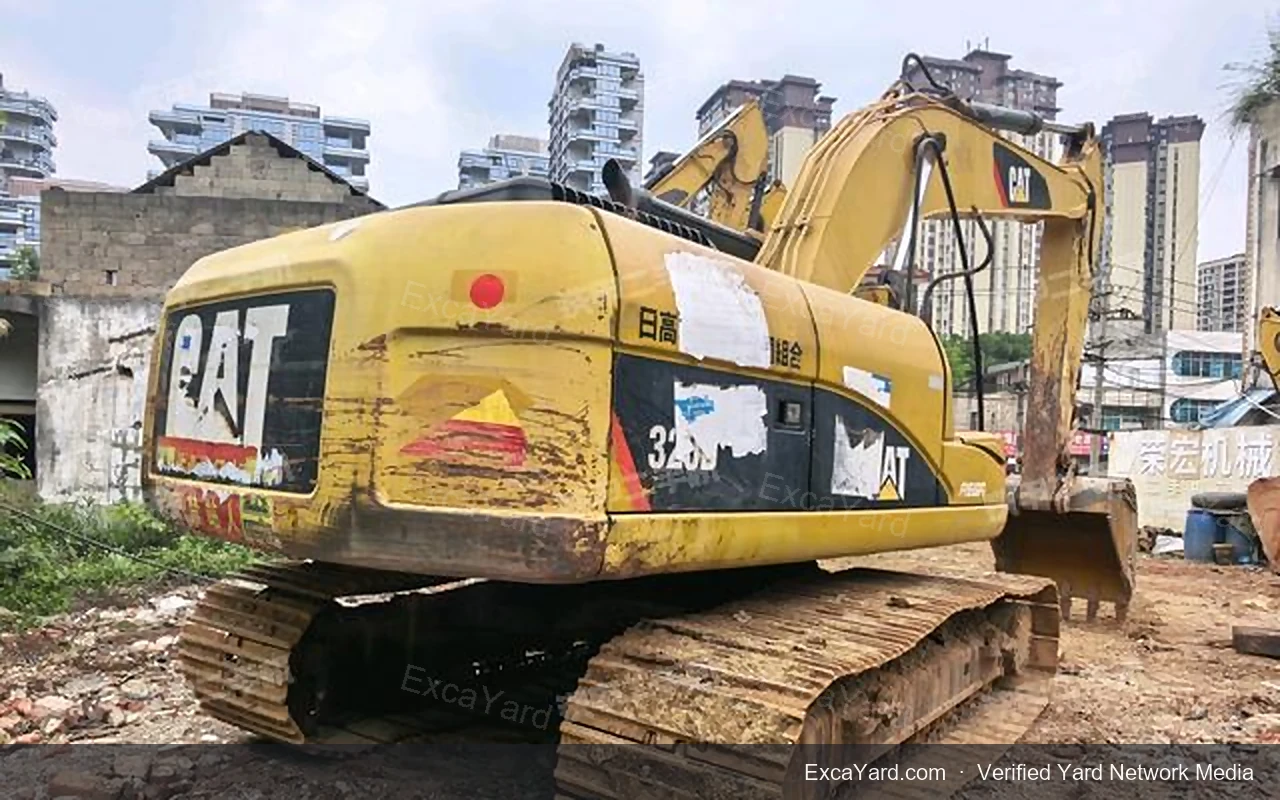
Used Caterpillar 320D Excavator at $15,000: Unit Economics and Inspection
Used Caterpillar 320D excavator, 2013, 10,690 hours, Grade B, $15,000. Run the unit economics first, then inspect the five systems that decide whether the machine pays for itself.