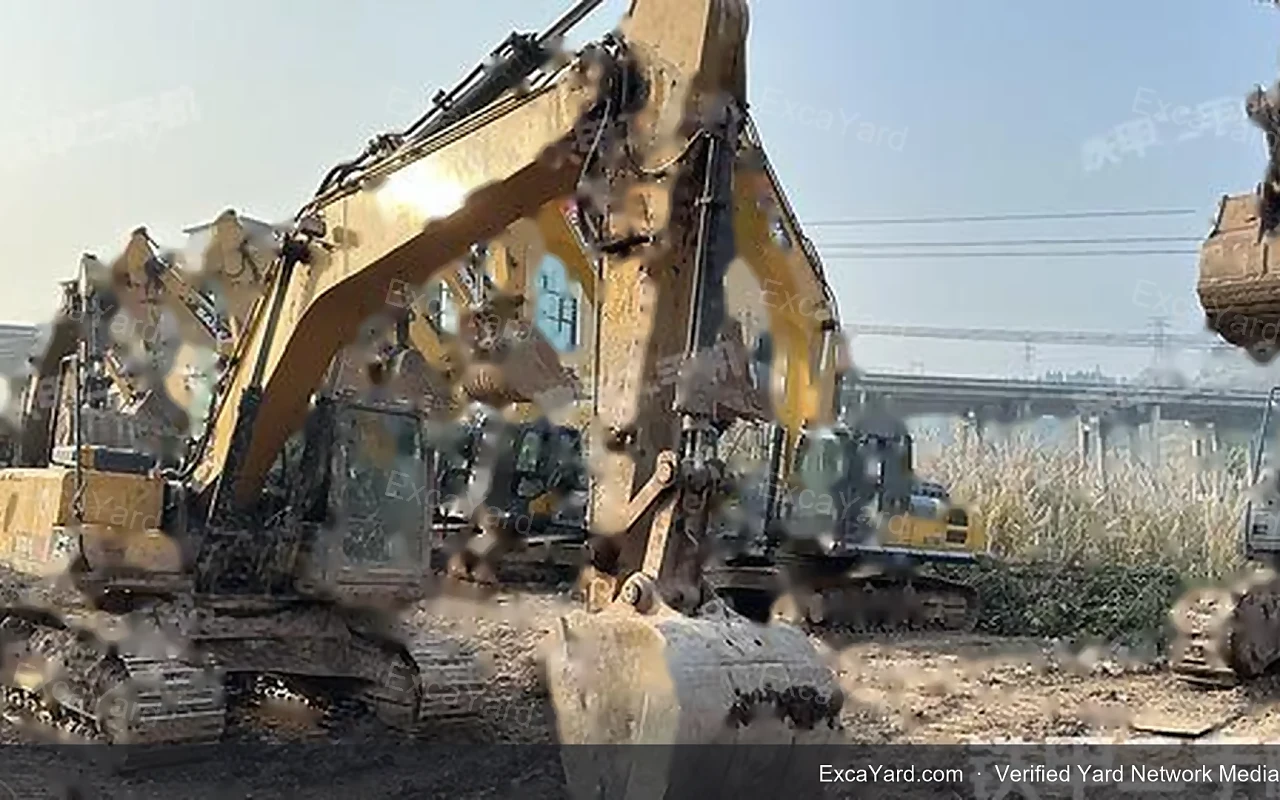
Used Sany SY200C excavator at $25,000: buying the 2022 unit for resale
A used Sany SY200C excavator, 2022, 7,800 hours, Grade A, $25,000 — how the newer 20-tonne unit compares on hours per year, grade evidence, and the resale questions that matter.
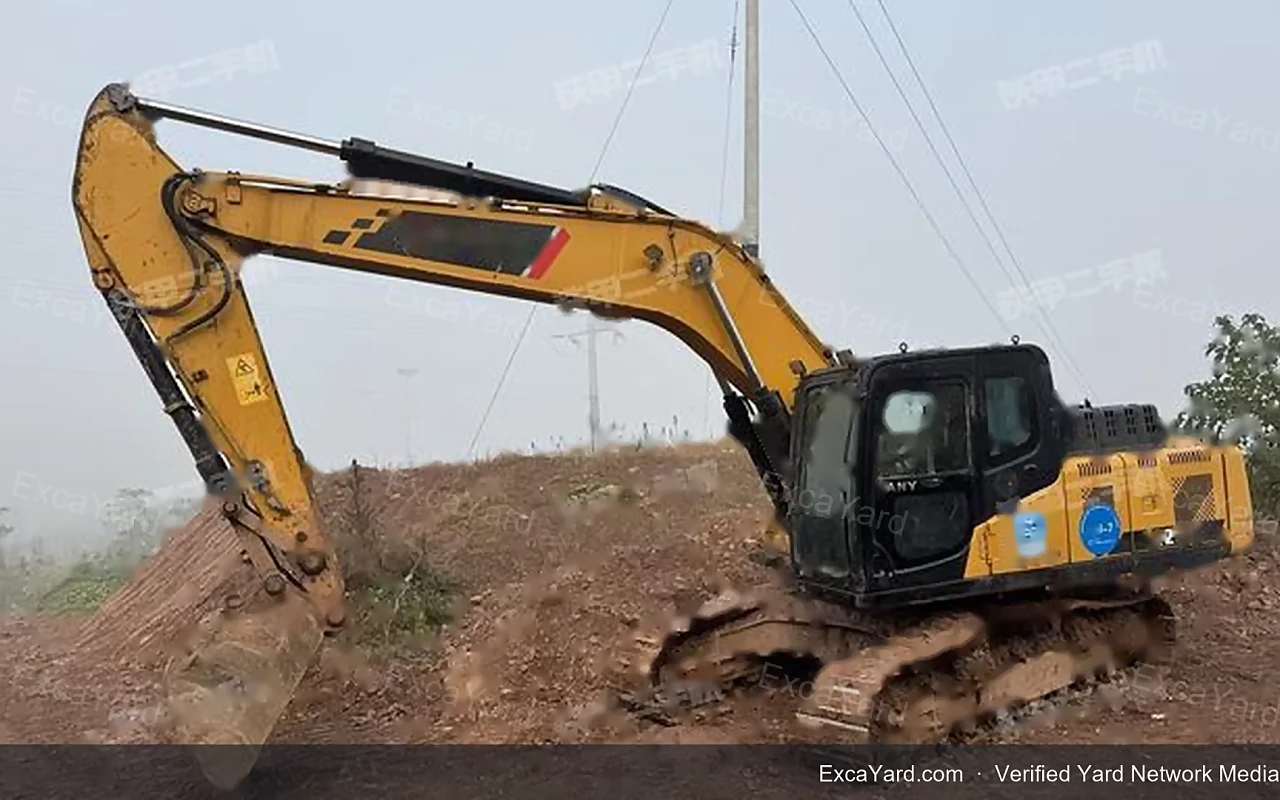
A used Sany SY200C excavator at $25,000 is the second-cheapest 20-tonne option in this yard network and the newest machine in the group: 2022, 7,800 hours, 20.0 tonnes, a 1.0 m³ bucket, Grade A, listed from a partner yard in Lishui, Zhejiang. The comparison buyers actually make is against a 2020 SY205C at $20,000, and the question is blunt: does $5,000 more buy a better machine, or a newer one? Those are not the same thing, and the difference decides what you can ask for it later.
The $5,000 question, with the numbers side by side
| SY205C (2020) | SY200C (2022) | |
|---|---|---|
| Price | $20,000 | $25,000 |
| Hours | 8,500 | 7,800 |
| Weight | 20.5 t | 20.0 t |
| Bucket | 1.03 m³ | 1.0 m³ |
| Grade | B | A |
| Yard | Wuhu, Anhui | Lishui, Zhejiang |
What the extra money buys is two model years, 700 fewer hours and one grade band. What it does not buy is capacity: the newer machine is half a tonne lighter and its bucket is 0.03 m³ smaller. Anyone who assumes a higher price means a bigger or stronger 20-tonne machine should read that table twice. This is a condition and age trade, not a performance upgrade.
The 700 hours matter less than they look. Against 8,500, that is roughly 8% — a difference a single busy season could erase. The two model years and the grade are what separate these machines in a buyer’s mind.
Four years and 7,800 hours: intensity, not total
Seven thousand eight hundred hours over four years is about 1,950 hours a year, or roughly 163 hours a month. That is a harder annual schedule than the 2020 unit’s 1,417 hours a year. There are two honest readings. Either the machine worked longer shifts or more days, or it was on a site with round-the-clock operations for part of its life. Both mean the wear is more concentrated: fewer years for seals to harden and paint to fade, more hours per year for pins, bushes and hydraulic components to accumulate load.
The practical test is not the annual average but the maintenance trail. Ask what was serviced at what interval, whether hydraulic oil was sampled, and whether the undercarriage was replaced or adjusted. A 2022 machine with 7,800 hours and clean service records is a stronger purchase than the same hours with nothing on paper, and no hour reading substitutes for that.
Cost per hour acquired
Divide price by hours and a useful comparison appears: the 2020 unit costs about $2.35 per hour of use already on the meter, while this one costs about $3.21. Read carefully — the metric front-loads price and ignores condition entirely. It does not say the 2022 machine is worse value. It says you are paying more per hour of accumulated life and therefore need the grade and the years to justify the gap.
If the Grade A report trims the open-items list compared with the Grade B unit, part of that $0.86 per hour comes back in avoided repairs. If it does not, you are paying for a calendar year and a label. Get both reports, put them next to each other, and price the difference in work rather than arguing about the sticker.
What Grade A is worth on this used Sany SY200C excavator
Grade A is the top inspection band in the ExcaYard system: the fewest open items, the least visible wear, the easiest machine to hand over to a buyer who cannot inspect it himself. It is not a new machine, and it does not mean nothing will break. It means the inspection found less to argue about.
Three checks turn the letter into evidence. First, confirm the report belongs to this SKU and these photographs, not to a sister unit. Second, look at the date of inspection; a year-old Grade A is a year-old opinion. Third, read the exceptions list even when it is short, because the small items are where the negotiating room hides. A salesman can talk about an A grade all day. A report with a date and a serial number is harder to argue with.
The resale question, asked without promises
Nobody can quote you a resale value in a market they have not surveyed, and any seller who does is guessing with your money. What can be said is structural. Resale is set locally by three things: how deep the 20-tonne rental and contracting market is where you operate, how well the brand is accepted there, and how your machine compares with the other 2022 units on offer at the time you sell.
The advantage of buying newer is not a guaranteed higher price later; it is a longer window before your machine becomes the oldest and highest-houred unit in its class. The disadvantage is that you paid $5,000 more at the start, and that money has to be recovered through work or through sale. If you plan to hold the machine for two or three years and run it hard, the calendar advantage shrinks quickly. At 1,500 hours a year for three years, this unit reaches roughly 12,300 hours, and the buyer then is looking at a five-year-old machine, not a new one.
Resale also depends on what you can prove. A machine with hour-meter photographs at handover, service invoices, an inspection report and clean shipping documents is easier to sell than an identical machine with a story. That paperwork costs nothing at purchase and is worth real money at exit.
Documentation that survives a resale
- Photograph the hour meter on the day the machine lands, and again at every service.
- Keep the original inspection report and the photo set that came with the quote.
- File parts invoices by date; they show maintenance was done, not just claimed.
- Keep the invoice, bill of lading and customs paperwork together in one folder.
- Record any repair with the hours at the time, not just the month.
Buyers discount undocumented machines because they cannot price the risk. Every document above removes a discount someone would otherwise apply. Two habits make the folder worth having: keep scans in one place rather than scattered through a phone gallery, and record the buyer-facing facts — serial number, operating weight, bucket size — exactly as the documents show them. Mismatched paperwork costs more at resale than a missing invoice.
The 2022 unit versus the $20,000 floor
Take the cheaper 2020 SY205C when the budget is the binding constraint, when work starts next month, and when you are willing to price the Grade B open items yourself. Take this SY200C when you intend to keep the machine, when the resale conversation matters to you, and when moderate hours on a newer calendar year gives you comfort about the components you cannot see.
There is a third option worth naming: neither. If your jobs are utility trenches and residential plots, the 13.5-tonne SY135C at $26,500 moves better and fits where a 20-tonne machine will not, even though it costs more than the 2020 unit. Class should be decided before price, always.
Five gates to clear before requesting a quote
| Gate | Question | What it protects |
|---|---|---|
| Hours | Do the annual hours match the work you will give it? | Component life |
| Grade | Is the A report dated, serial-matched and itemised? | Repair budget |
| Parts | Is there a Sany channel within reach of your yard? | Downtime |
| Freight | Which method is confirmed for a 20-tonne machine on your route? | Landed cost |
| Exit | Who buys 20-tonne machines in your market, and how often? | Resale risk |
Five questions, five written answers. A quote that cannot answer them is a price, not an offer.
Next step
The photo set, specification and current status for this unit are on the used Sany SY200C excavator page, with the model range under Sany. Send your destination port, holding period and whether resale matters to you through the contact form, and the yard can quote this machine against the 2020 unit on the same terms.
FAQ about this used Sany SY200C excavator
Why does this used Sany SY200C excavator cost more than the 2020 SY205C? It is two model years newer, has 700 fewer hours and carries a Grade A inspection result instead of Grade B. Price follows condition and age in this class, not weight.
Is 7,800 hours high for a 2022 machine? It is a hard schedule at roughly 1,950 hours a year, but not extreme for a 20-tonne excavator. The service record matters more than the number.
Does Grade A mean no repairs are needed? No. It means the inspection found fewer open items than a B or C machine. Wear parts still wear, and a used machine always has a list.
Can a 20-tonne machine ship in a container? That depends on measured dimensions and how far the machine is dismantled. Container, flat rack and RoRo options should be compared on your actual route rather than assumed.
What resale value can I expect? No honest number exists without surveying your local market. What you can control is documentation, hours accumulated during your ownership, and how well the brand is supported where you sell.
Is the 1.0 m³ bucket a limitation? It is 0.03 m³ smaller than the 2020 unit’s bucket, so the difference is marginal. Whether 1.0 m³ suits you depends on your trucks and cycle targets, not on the comparison.
Used Sany SY205C excavator at $20,000: a 2020 20-tonne value check
A used Sany SY205C excavator with 8,500 hours, 20.5 tonnes and a $20,000 tag — what the hours, the Grade B report and the Sany parts picture really mean before a deposit.
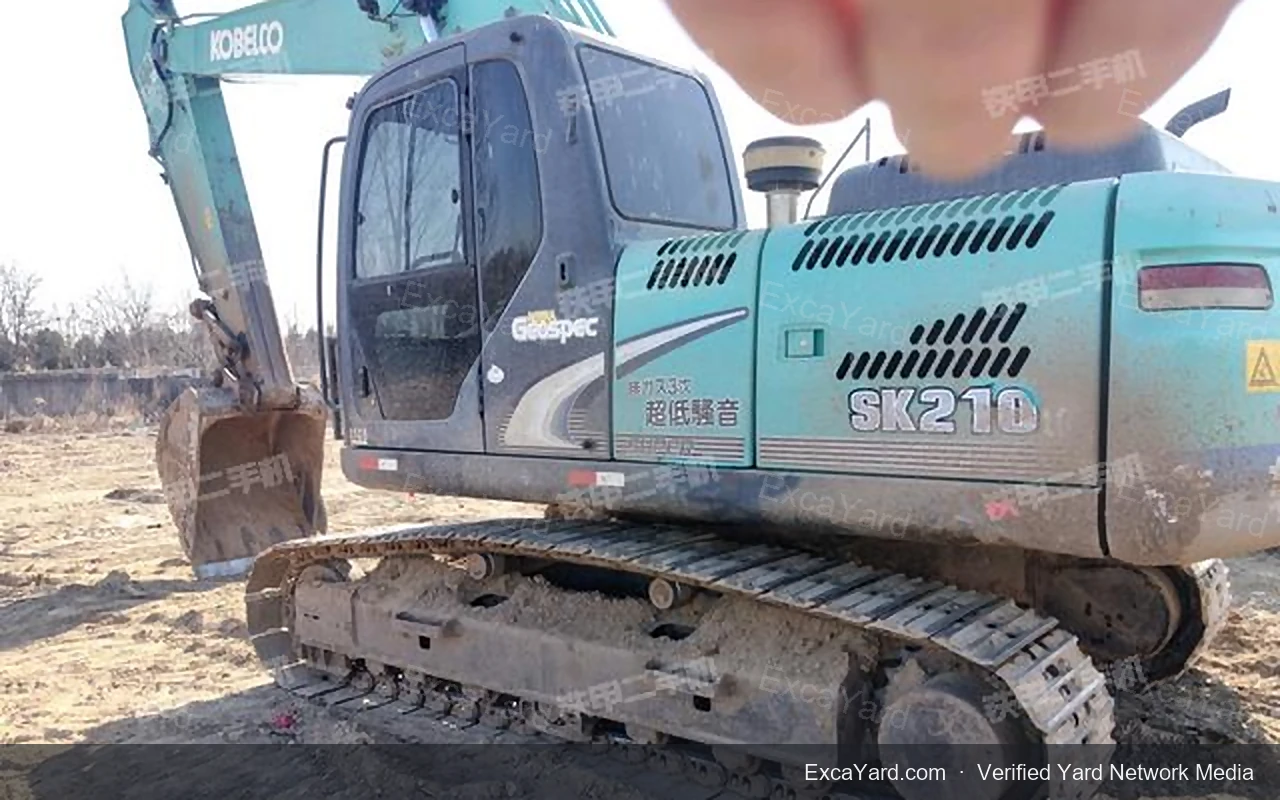
Used Kobelco SK2008 Excavator: The $12,000 20-Ton Band
Used Kobelco SK2008 excavator buyer guide: 2015, 6,200 hours, 20.08 tons, 1.0 m³, $12,000. What the price band buys, condition budget, landed cost and buyer fit.
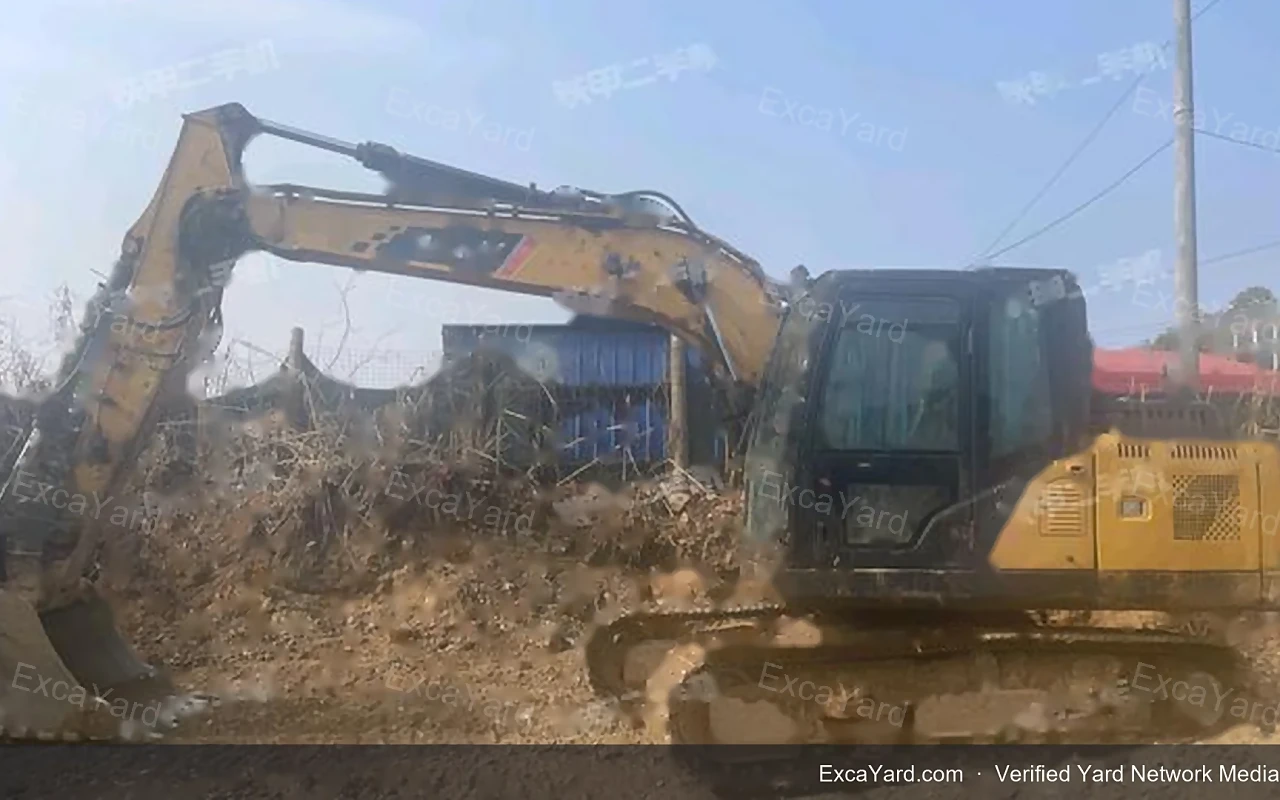
Used Sany SY135C excavator at $26,500: 13.5 tonnes and the transport argument
A used Sany SY135C excavator, 2021, 5,000 hours, Grade A, $26,500 — why the lightest machine in the group costs the most per tonne, and when transport beats bucket size.