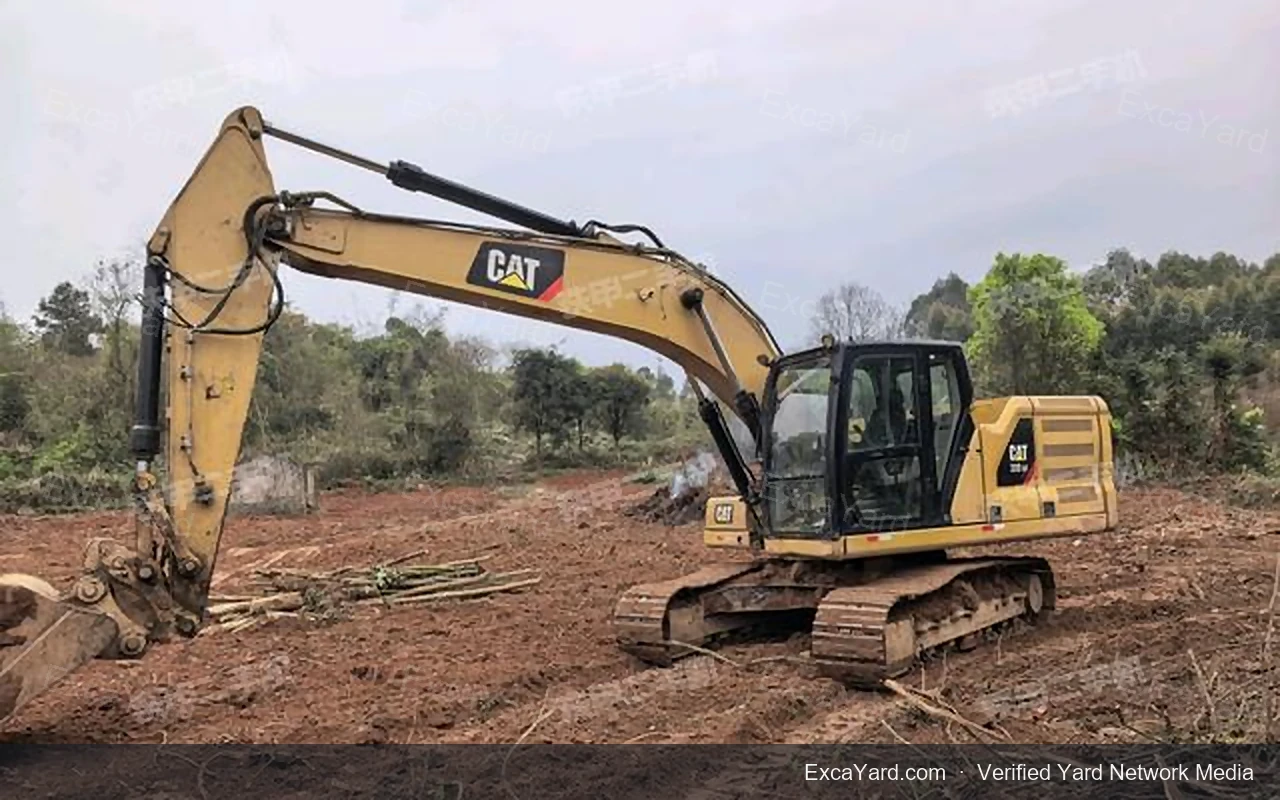
Why do two Cat 320D excavators have different prices?
Same model, different year, genuine hours, undercarriage wear, and attachments. Our 150-point inspection reports all four on every machine, so the price difference is visible — not hidden.
The four drivers
- Year and series — a 320D2 GC commands more than an early 320B or 320C.
- Genuine hours — a verified low-hour machine is worth more; rolled-back meters are a known trade risk we screen for.
- Undercarriage wear — track chains, rollers, idlers, and sprockets can differ by 30–50% between two units of the same age.
- Attachments and paint — hammer piping, quick-couplers, and whether the machine has had panel repair (caught by paint-thickness measurement) all move value.
Why that's good for you
When the difference is documented, you can actually compare machines. A cheaper unit with worn tracks may cost more overall once you replace the undercarriage — the report shows you that before you commit.
Does the cheapest machine ever win?
Only if the undercarriage, hours, and engine are genuinely comparable. A cheaper unit with 40% track wear or an hour meter question usually costs more over two years.
How do I know the hours are real?
We cross-check the meter against service history, undercarriage wear, and paint condition, and flag any discrepancy — hours verification is part of the 150-point report.
Are attachments included in the listed price?
A standard bucket is included; hammer piping, quick-couplers, or extra buckets are typically add-ons we quote separately.