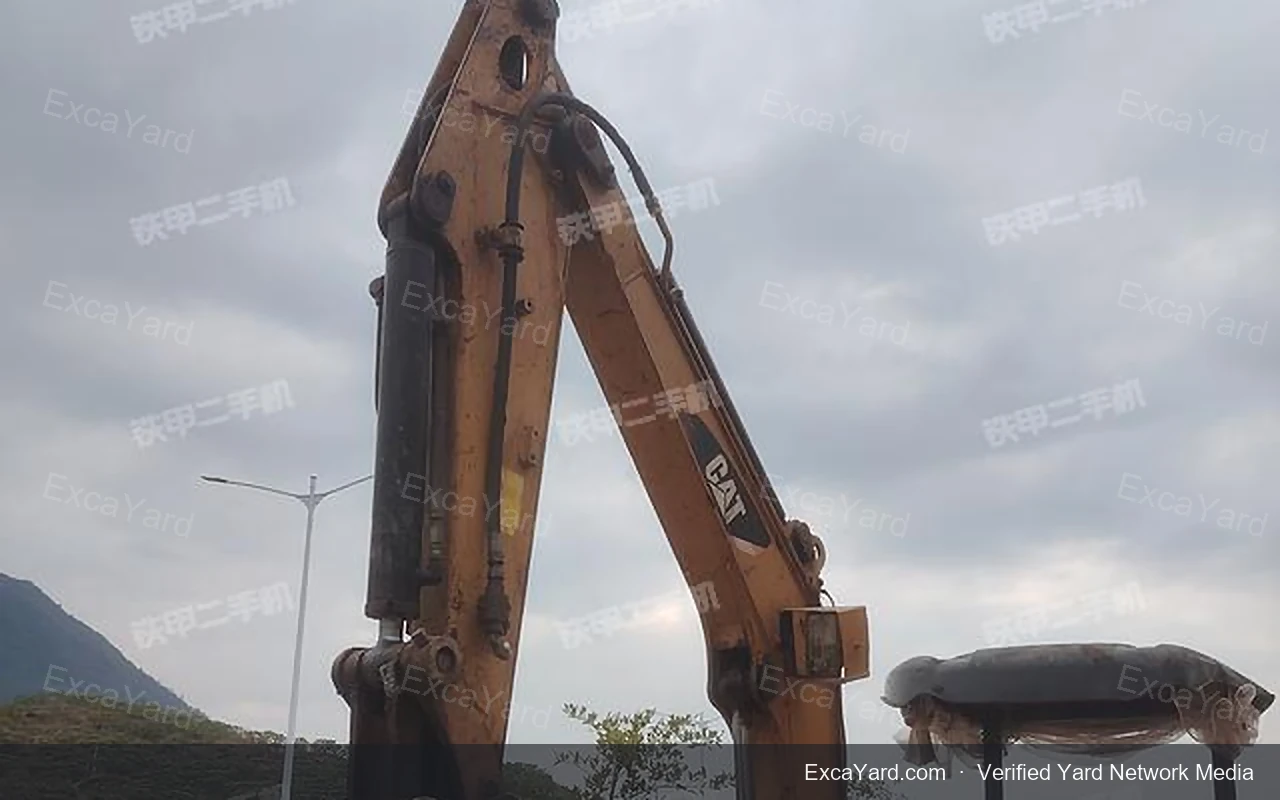
Used Komatsu Excavator from China to Nigeria: 2026 Export Guide
Honest 2026 export guide to buying a used Komatsu excavator from China for Nigeria — which Komatsu models to target (PC200-8 / PC240LC-8 / PC138US), USD pricing, Lagos import via SONCAP, Form M, and Nigeria Customs duty on a naira-FX-managed working budget.
A used Komatsu excavator is the working contractor's choice for Nigeria — it lands at Lagos for materially less than the equivalent Caterpillar, runs on the commodity Kawasaki-pump hydraulic ecosystem that keeps rebuild costs manageable through Nigerian naira-denominated aftermarket shops, and carries the KOMTRAX telematics history that lets a Nigerian buyer verify hours and use honestly before wiring a scarce USD deposit through Form M. Where Caterpillar carries the deepest dealer premium into Lagos, Apapa, and Port Harcourt through Mantrac Nigeria, Komatsu is the pragmatic working alternative that keeps a project's landed cost inside a tight naira FX budget without sacrificing brand credibility on tender. This guide is the honest export-buyer brief on sourcing a used Komatsu excavator from China yards for Nigeria — which Komatsu models to target, the USD price bands, the Lagos import process via SONCAP and Form M through Nigeria Customs Service, and the inspection points that protect a buyer from the most expensive surprises.
Which Komatsu models to target from China
The Chinese used-machine market carries a broad span of Komatsu excavators, but only a few are the right export buy for Nigeria in 2026:
- Komatsu PC200-8 / PC200-8M0 / PC200-8N1 (20-tonne, the volume choice): The PC200-8 family is the single most exported Komatsu excavator and the right default for a Nigerian buyer. It runs the Komatsu SAA6D107E-1 engine, uses the standard Kawasaki main hydraulic pump, and has the deepest parts inventory of any Komatsu class serviced through the Lagos, Ibadan, and Port Harcourt aftermarket network. This is the model this guide centres on.
- Komatsu PC200LC-8 (20-tonne, long-carriage variant): The long-carriage PC200LC-8 gives more stability for heavy trench work on federal road contracts and quarry duty around Ogun and Cross River; useful for a contractor whose site profile leans on reach and stability over raw digging speed.
- Komatsu PC240LC-8 (24-tonne, more digging force): For a Nigerian contractor on heavier civils around Abuja federal projects, Lagos-Ibadan expressway upgrades, or quarry work in Ogun and Kogi, the PC240 gives more breakout force and weight. Higher landed cost and a heavier duty exposure than the PC200-8, but the same brand credibility.
- Komatsu PC138US-8 (13-tonne, tight-tail-swing, urban work): For urban site preparation on Lagos Island, Victoria Island, and Ikoyi where tail swing is constrained by high-density plots, the PC138US-8 zero-tail-swing class is a specialist buy. Lower transport cost and lower FX exposure; suits urban and drainage work rather than open civils.
For most Nigerian buyers in 2026 the recommendation is the Komatsu PC200-8 at the right hours — the rest of this guide uses the PC200-8 as the reference machine.
Why Nigerian buyers choose Komatsu over Caterpillar
Five concrete reasons a Nigerian contractor picks a used Komatsu over the equivalent Cat:
- Lower landed cost at Lagos and lower FX draw: A used Komatsu PC200-8 lands at Apapa or Tin Can Island several thousand US dollars below the equivalent Cat 320D. In the Nigerian FX environment every thousand dollars less on the USD landed side is naira preserved for fuel, operators, and site setup — the Komatsu working-cost advantage begins on Form M and compounds through Customs duty.
- Kawasaki hydraulic pump ecosystem — Nigerian aftermarket friendly: The PC200-8 uses the Kawasaki K3V112DT main pump, the standard-of-industry component with the widest commodity rebuild network. A Kawasaki pump rebuild through the Lagos and Ibadan diesel shops runs materially cheaper than a Cat-proprietary main pump rebuild through the dealer channel, in a market where the ability to fix a machine locally without waiting weeks for a dealer part is a real operational asset. Over a machine's life the parts-cost differential compounds.
- KOMTRAX telematics — verifiable use history for a scarce-FX buyer: Every current-generation Komatsu ships with the KOMTRAX telematics system, which records hours, use pattern, work-mode ratios, and location history. A KOMTRAX-verified PC200-8 gives a Nigerian buyer honest visibility into the machine's history that no other brand of used excavator matches — critical when the deposit represents scarce USD sourced through a dealer bank. This is a real advantage against yard-side hour tampering.
- Komatsu authorised distributor network in Nigeria: The Komatsu authorised distributor network in Nigeria supports genuine Komatsu machines with genuine parts, reman components, and factory-trained service. Confirm the current authorised Komatsu distributor and coverage for your specific model with Komatsu Middle East & Africa when you plan the purchase, but the in-country Komatsu support is real and generally cheaper to use than the Cat dealer channel for equivalent parts.
- Operator familiarity across Nigeria and West Africa: Komatsu is a widely operated excavator brand among experienced Nigerian and West African operators, which shortens training and reduces the abuse a less-familiar machine sometimes suffers on Nigerian civils work.
2026 used market prices from China yards
Honest USD pricing for export-ready Komatsu PC200-8-class units sourced from Shanghai, Ningbo, and Qingdao yards in 2026:
- 2008–2010, 9,000–12,000 h, fair condition: USD 26,000–34,000 FOB Shanghai. Typical: early PC200-8, 30–45% undercarriage remaining, Kawasaki pump a rebuild candidate, cab fair, partial service record. Suits a project-scoped Nigerian buyer prepared to invest in a pump rebuild on arrival.
- 2011–2013, 6,000–8,500 h, good condition: USD 36,000–46,000 FOB Shanghai. Typical: PC200-8 / PC200-8M0, 50–65% undercarriage, original Komatsu controllers, no major boom welds, partial KOMTRAX pull. This is the export sweet spot for Nigeria — enough life left to see a project through and a defensible resale.
- 2013–2016, 4,000–6,000 h, very good condition: USD 47,000–58,000 FOB Shanghai. Typical: late PC200-8M0 or PC200-8N1, 65–80% undercarriage, near-original cab, recent service, full KOMTRAX history. Strong Nigeria pick for a buyer who wants maximum life on a federal-tender-facing fleet.
- Low-hour late PC200-8N1: USD 58,000–72,000 FOB Shanghai. Premium end; for buyers who want a near-new Komatsu at a used-machine price without the Cat brand premium.
Add approximately USD 3,600–4,800 for ocean freight Shanghai to Lagos, and approximately USD 3,500–5,000 for SONCAP handling, Form M and dealer-bank processing, Nigeria Customs clearance, and Apapa or Tin Can port handling. Total landed cost at Lagos for a 2012 Komatsu PC200-8 at 7,000 hours therefore sits in the USD 50,000–62,000 band, all-in, in 2026 — several thousand USD below the equivalent Cat 320D lands, which is the Komatsu working-cost case quantified against the Nigerian FX line.
Inspection points before you wire the deposit
The ten highest-impact inspection points for a Komatsu PC200-8-class machine sourced in China for Nigeria:
1. KOMTRAX telematics pull: The Komatsu-specific anti-fraud advantage. Pull the KOMTRAX report and cross-check hours, work-mode ratio, idle ratio, and location history against the dashboard, the service records, and the ECM. A dashboard low against a higher KOMTRAX history means the cluster has been tampered with. In a market where the deposit is scarce Form-M USD, KOMTRAX is the single most important document you can insist on before paying the balance.
2. Main hydraulic pump pressure test: Kawasaki K3V112DT main pump relief pressure should hold at Komatsu spec under full load. Below spec indicates a rebuild — Kawasaki pumps rebuild through Lagos and Ibadan hydraulic shops for materially less than a Cat-proprietary pump rebuild through the dealer channel. Test it before you buy, not after Nigeria Customs clearance.
3. SAA6D107E-1 engine blowby test: Blowby should be modest at full operating temperature. Excessive blowby means ring wear and a top-end rebuild approaching, budgeted at USD 5,500–8,500. Verify the engine matches the PC200-8 serial and that no non-Komatsu engine has been fitted (a common yard-side rework that damages resale and support).
4. KOMTRAX event log detail: Beyond hours and location, KOMTRAX records fault codes and work-mode heavy use. A PC200-8 showing sustained breaker-mode ratio is a former demolition unit with a stressed hydraulic circuit — verify against the work you intend on Nigerian federal roads or lower-Niger quarry sites.
5. Boom and arm weld inspection: Magnetic-particle test on the boom box-section critical welds and the bucket cylinder bracket. The PC200-8 structure is robust but heavy-quarry units accumulate stress. Boom-to-arm pin bore elongation above 1.5 mm is a buyer warning.
6. Undercarriage wear measurement: Track shoes, link pitch, sprocket teeth, bushing diameter. Komatsu undercarriage parts flow through the Nigerian aftermarket network at competitive naira pricing; below 35% remaining is a future cost — often lower than the equivalent Cat undercarriage cost because of the more competitive parts pipeline.
7. Cab and AC test: Verify door seals, dash and monitor function, AC compressor cycling, blower, and seat condition. AC is essential in Nigerian coastal humidity and northern dry-season heat; budget USD 1,500–2,800 if the AC or interior needs work.
8. Final drive and travel motor (oil sample both sides): Metallic content above 200 ppm is imminent failure. Travel-motor wear shows as drift under straight-line travel. Komatsu final drives are supported through both dealer and aftermarket channels in Nigeria.
9. Serial and plate verification against export documents: Confirm the machine serial, engine serial, and chassis match the commercial invoice, the Form M reference, and the bill of lading exactly. A mismatch will stall SONCAP issuance in China and cause severe delay at Apapa or Tin Can.
10. Service history and KOMTRAX authenticity: A genuine Komatsu with a clean, complete KOMTRAX history is worth its price; a Komatsu with a wiped or missing KOMTRAX pull should be priced as if the worst is true. Insist on the KOMTRAX dump before paying the balance — this is the single most important document for a Nigerian used Komatsu buy.
Lagos import process: SONCAP, Form M, and Nigeria Customs
Nigeria requires a SONCAP (Standards Organisation of Nigeria Conformity Assessment Programme) certificate for regulated imported products under SON requirements. The conformity process is handled in China before the machine ships. In parallel, the Nigerian importer must have a Form M in place — the import authorisation and FX arrangement document obtained through an authorised dealer bank.
Process for a Komatsu PC200-8 in 2026:
1. China yard prepares the machine and documentation: serial plate, engine serial, chassis, KOMTRAX pull, and photographs matched to the commercial invoice.
2. A SON-appointed agent in China (Cotecna, SGS, or Intertek as commonly appointed conformity assessment bodies) inspects the machine at the Shanghai, Ningbo, or Qingdao yard and processes the SONCAP documentation — the Product Certificate and the SONCAP Certificate — against the inspection and the documents. Lead time 5–12 working days.
3. The Nigerian importer obtains Form M through an authorised dealer bank and the Nigerian single-window trade platform before shipment — this is the FX and import-authorisation document and it must be in place early, because Form M timing is the single most common cause of Nigerian import slippage.
4. Machine ships to Lagos (Apapa or Tin Can Island terminal) with the SONCAP certificate, Form M reference, commercial invoice, packing list, and bill of lading.
5. On arrival, the importer clears through the Nigeria Customs Service (NCS), pays import duty plus 7.5% VAT plus applicable levies and port charges on the CIF value, and takes delivery. A licensed Lagos clearing agent manages the process end-to-end.
Always complete SONCAP in China before shipping and have Form M in place before the goods leave. A machine that arrives at Lagos without valid SONCAP and Form M faces severe delay, demurrage at one of the most congested port complexes in the region, and penalty costs that quickly erase the Komatsu working-cost advantage.
Other Nigeria import notes:
- Duty + VAT + levies: Used excavators under HS 8429.52 attract import duty plus 7.5% VAT plus applicable levies and port charges on the CIF value. The underlying CIF value for a Komatsu is lower than a Cat, so the absolute duty amount is lower — the Komatsu FX advantage begins at the yard price and compounds through the Nigeria Customs tariff line. Work exact figures with your licensed Lagos clearing agent against the current NCS tariff before you commit.
- FX and Form M timing: The Nigerian FX environment makes Form M and the dealer-bank FX arrangement central to the deal. Confirm your FX access and the naira cost of the USD landed price with your bank before committing to a purchase — FX movement between Form M establishment and clearance is a real risk on a used-machine budget, and the smaller USD ticket on a Komatsu materially reduces that exposure.
- Clearing agent and inland transport: Use a licensed Lagos clearing agent experienced with construction machinery, SONCAP, and Form M reconciliation. Budget low-loader transport from Lagos to the project site; corridors out of Lagos are heavily trafficked and a 20-tonne machine needs a permitted heavy-load trailer for moves to Abuja, Port Harcourt, Kano, or Onitsha.
Shipping options and transit times
Two practical options for Shanghai → Lagos shipping a Komatsu PC200-8-class machine in 2026:
- RoRo (Roll-on / Roll-off): Approximately USD 3,600–4,800 per machine, transit 32–45 days Shanghai to Lagos. RoRo is the common choice for a self-propelled excavator and avoids container packing cost. Lagos RoRo discharge can face terminal congestion — build buffer into the timeline.
- Flat-rack container: Approximately USD 3,200–4,400 per machine, transit 34–48 days including consolidation. The PC200-8 ships on a 40ft flat-rack with boom and arm folded; suits a buyer consolidating Komatsu parts, Kawasaki pump spares, or attachments in the same shipment.
Build your timeline around a deposit-to-Lagos window of 45–60 days in 2026, plus SONCAP lead time before loading and Form M setup before that.
FAQ
Which used Komatsu excavator should I import to Nigeria in 2026?
For most Nigerian buyers the Komatsu PC200-8 / PC200-8M0 (20-tonne) is the right choice — it is the most exported Komatsu, best supported through the Komatsu authorised distributor network in Nigeria and the Lagos/Ibadan aftermarket, and holds strong resale on federal-tender-facing fleets. The PC200LC-8 offers a long-carriage variant, the PC240LC-8 gives more digging force for heavy civils and quarry duty, and the PC138US-8 zero-tail-swing suits tight urban work on Lagos Island and Victoria Island. Target a 2011–2013 PC200-8 at 6,000–8,500 hours for the best balance of price, life, and residual on a naira-managed FX budget.
Why is a used Komatsu cheaper to import into Nigeria than a Caterpillar?
Yard-side USD price and rebuild cost. A Komatsu PC200-8 lands at Lagos several thousand US dollars below the equivalent Cat 320D because the yard-side USD price is lower, which drives a lower CIF and therefore a lower absolute Nigeria Customs duty line as well. Over the machine's life the Kawasaki-pump-based hydraulic ecosystem keeps rebuild costs down through the Lagos and Ibadan aftermarket. In the Nigerian FX environment this compounds — Komatsu is the pragmatic working choice while Cat carries the brand premium and the deeper Mantrac dealer network.
What is SONCAP and do I need it for a Komatsu excavator into Nigeria?
Yes. SONCAP (Standards Organisation of Nigeria Conformity Assessment Programme) compliance is required, processed in China before shipment through a SON-appointed agent (Cotecna, SGS, or Intertek). You also need a Form M obtained through your dealer bank before the goods ship. Without valid SONCAP and Form M the machine faces severe delay, demurrage, and penalties at Apapa or Tin Can Island. Never ship without both in place — this rule is identical for Komatsu and Caterpillar.
What is KOMTRAX and why does it matter for a Nigerian buyer?
KOMTRAX is the Komatsu-proprietary telematics system on the PC200-8 and later generations. It records hours, location, work-mode ratios, and fault history that a buyer can cross-check against the dashboard cluster and ECM before wiring the deposit. For a Nigerian buyer whose deposit is scarce Form-M-arranged USD, KOMTRAX is the single strongest anti-fraud advantage of the Komatsu brand — it exposes hour tampering and misuse in a way that no other brand of used excavator does. Insist on the KOMTRAX pull before paying the balance.
Will the Komatsu authorised distributor support a China-imported used Komatsu in Nigeria?
Yes — the Komatsu authorised distributor network in Nigeria supports genuine Komatsu machines regardless of import origin, supplying genuine parts, Komatsu reman components, and factory-trained service. Confirm the current authorised Komatsu distributor for Nigeria and parts availability for your specific PC200-8 variant and serial with Komatsu Middle East & Africa when you plan the purchase, and budget Komatsu genuine parts pricing plus Lagos-Ibadan aftermarket alternatives for the Kawasaki-pump-based components into your ownership costs.
Talk to ExcaYard
If a used Komatsu excavator is on your shortlist for a 2026 Nigeria project, ExcaYard runs verified yard inventory across Shanghai, Ningbo, and Qingdao with daily updated stock photos and KOMTRAX pulls where the telematics is intact. We arrange SONCAP inspection in China before loading so your machine clears Lagos cleanly, and we prepare the export documentation stack to align with your Form M and dealer-bank timing. Send us your spec brief (model — PC200-8 / PC200LC-8 / PC240LC-8 / PC138US-8, year, hours, undercarriage state, hydraulic condition, budget, destination — Lagos / Abuja / Port Harcourt / Kano / Onitsha) on WhatsApp at +86 193 9277 7259 and we will match against current stock within one working day. Lagos landing typically 45–60 days from deposit. T/T, SWIFT, Wise, and L/C payments accepted.

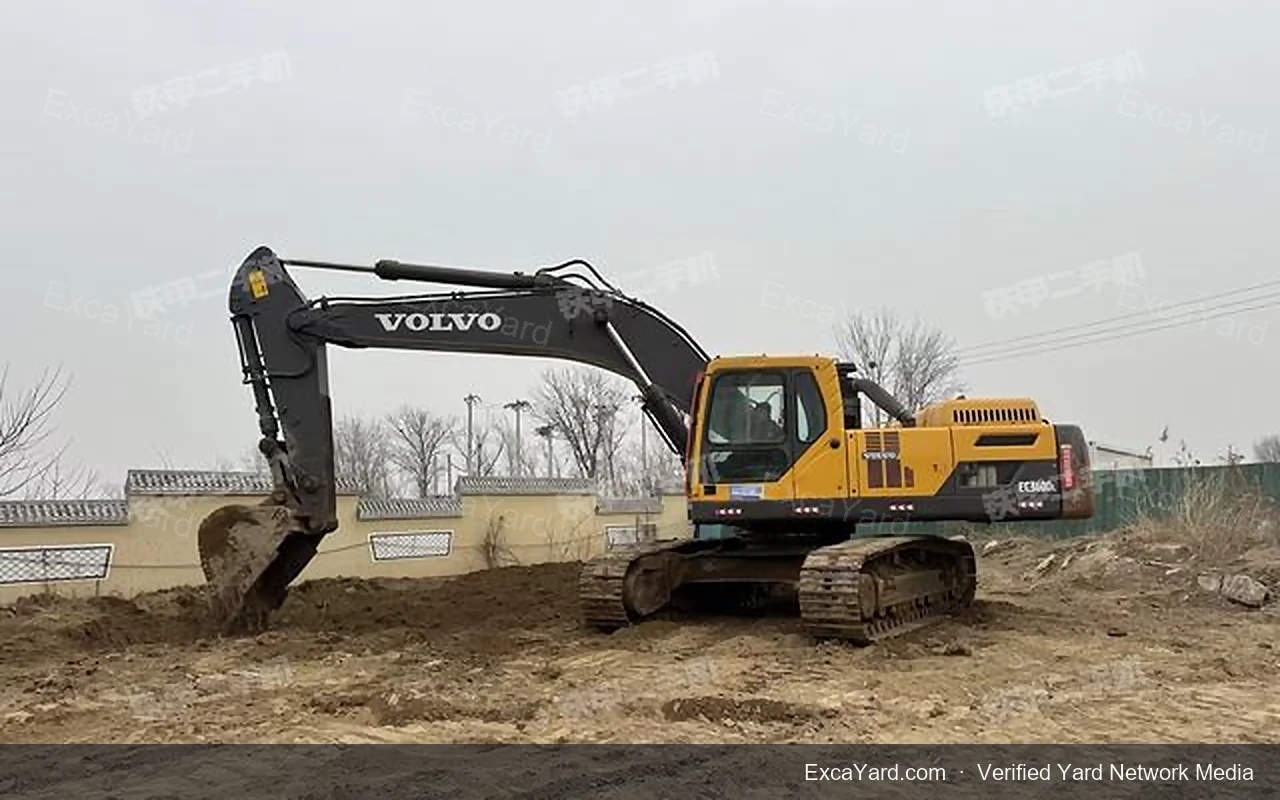
Cat vs Volvo Used Excavator: Honest Comparison for Export Buyers (2026)
Caterpillar vs Volvo used excavators — fuel economy, parts availability, resale value, and operating cost compared. Which to buy for African or Southeast Asian markets?
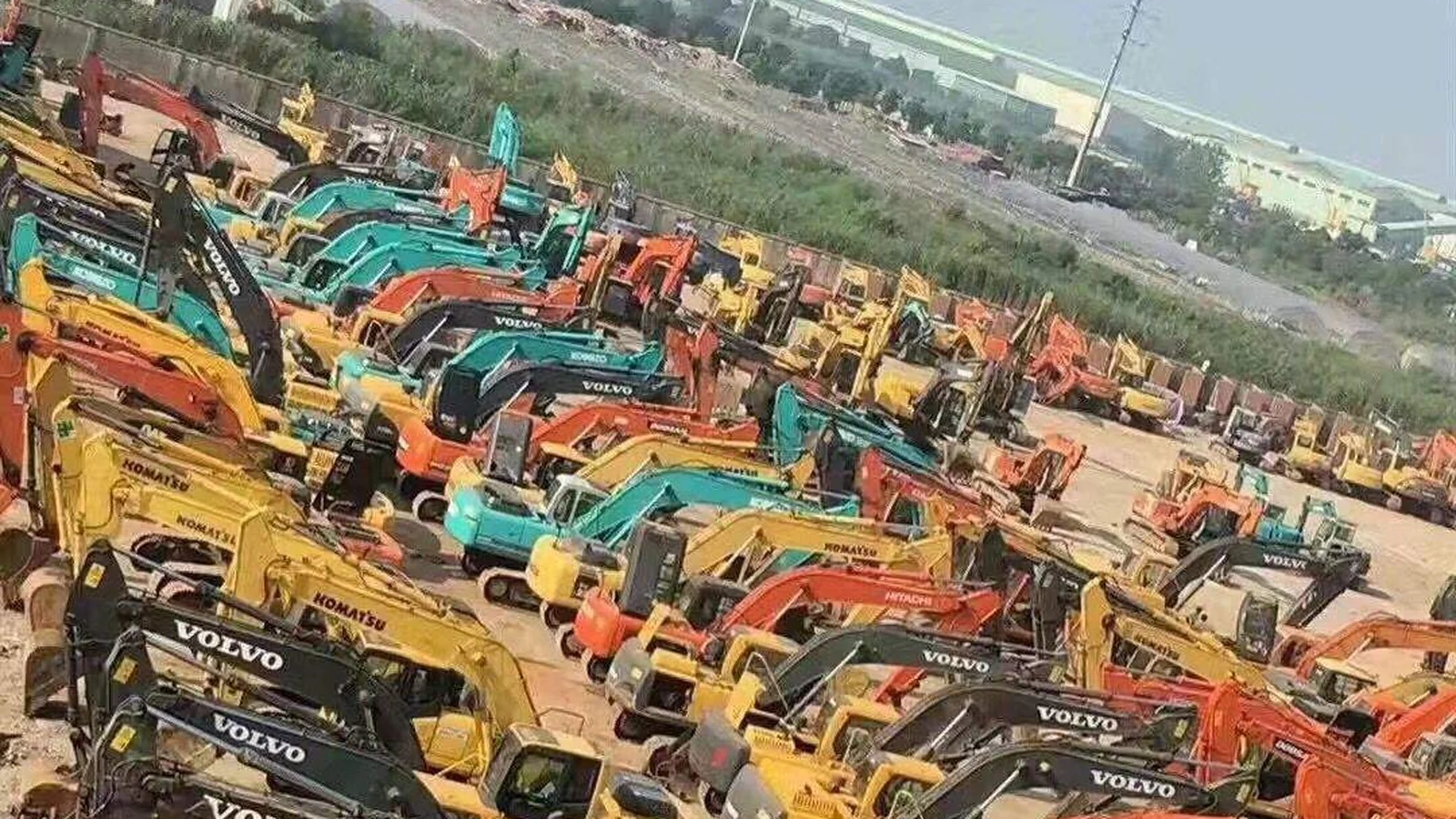
20-Ton vs 30-Ton Used Excavator: Which Class Should You Buy?
20-ton (Cat 320, Komatsu PC200) vs 30-ton (Cat 330, Komatsu PC300) — payload, fuel cost, transport cost, ROI per job class. Which makes more money for export buyers?
Sany vs XCMG Used Excavators: Chinese-Brand Comparison Guide
Sany vs XCMG used excavator comparison — quality, parts availability, dealer network, resale value. Honest take on the two largest Chinese OEMs for export buyers.